
Liver cancer treatment is not the same for every patient. The right plan depends on the type of cancer, stage, number of tumors, location in the liver, blood vessel involvement, spread outside the liver, liver function, age, general health, and patient preference. A patient with a single small tumor may be treated very differently from a patient with multiple tumors in cirrhosis or advanced disease.
The liver is also a special organ because many patients have cancer in a liver that is already damaged. If too much liver is removed or injured, the patient may develop liver failure. Therefore, doctors must treat the cancer while protecting liver reserve. This is why liver cancer treatment in Mumbai should ideally be planned by a multidisciplinary team.
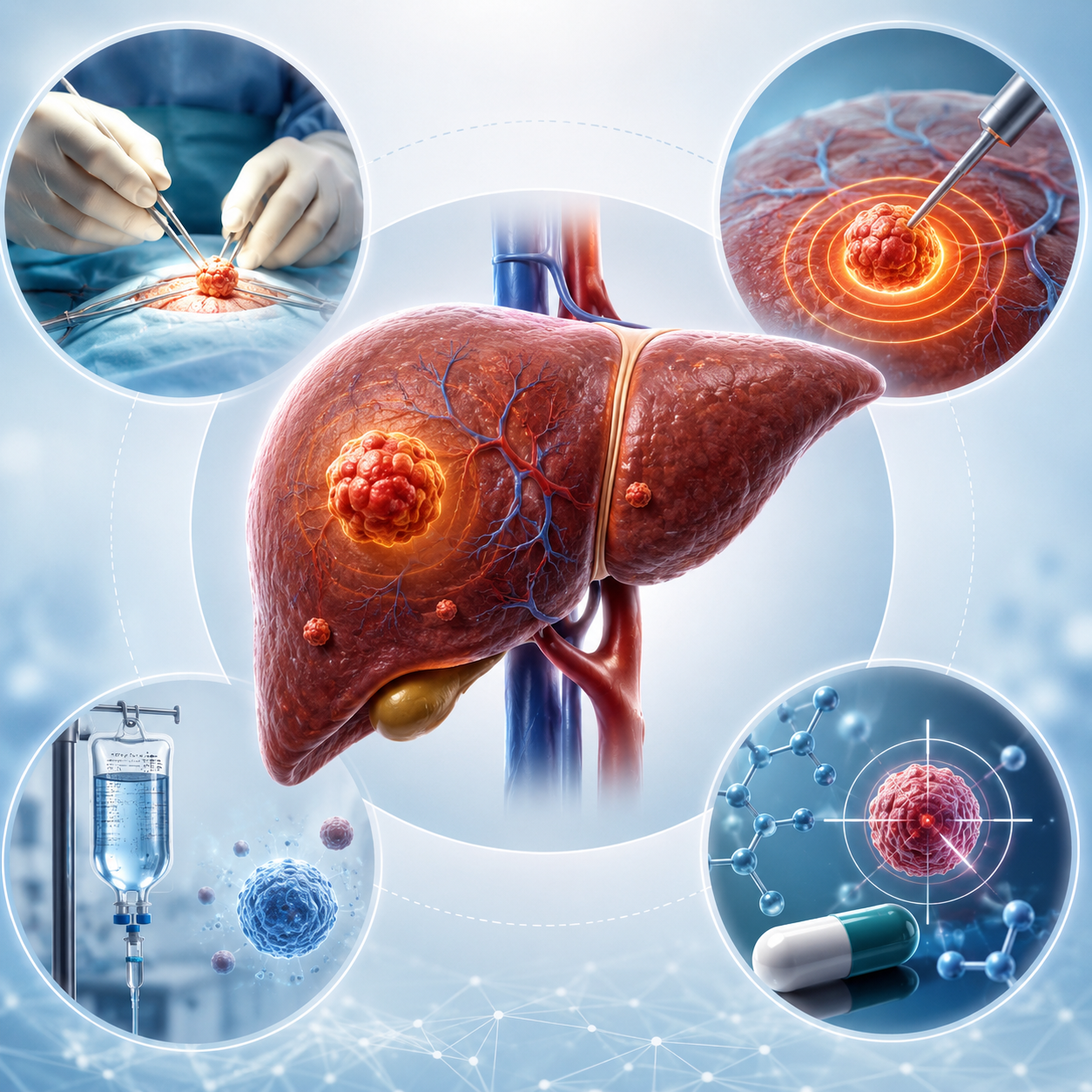
Surgery, also called liver resection or hepatectomy, may be advised when the tumor is removable and the remaining liver is strong enough. The surgeon removes the tumor-bearing part of the liver with a safe margin. Surgery can be curative in selected early-stage patients. Before surgery, doctors assess CT or MRI scans, liver function, clotting, platelet count, future liver remnant, and overall fitness.
Surgery may not be suitable if liver function is poor, tumors are spread widely in both lobes, major vessels are extensively involved, or cancer has spread outside the liver. In such cases, another treatment may be safer. At Mumbai Cancer, Dr. Deepak Chhabra evaluates whether surgery is needed and whether it can be done safely.
Ablation destroys a tumor without removing it. Techniques such as radiofrequency ablation or microwave ablation use heat to kill cancer cells. Ablation is often considered for small tumors, especially when surgery is not ideal because of liver function, location, or patient fitness. It may be done through the skin or during surgery depending on the case.
Ablation works best when the tumor is small and in a safe location away from major bile ducts or critical structures. Follow-up scans are important because doctors need to confirm that the tumor has been completely treated. If new lesions appear later, further treatment may be required.
Transarterial chemoembolization, called TACE, delivers chemotherapy and blocks blood supply to the tumor through a catheter. Transarterial radioembolization, called TARE or Y-90 therapy, delivers radiation particles into tumor blood vessels. These treatments may be used when disease is mainly in the liver but surgery is not suitable. They can control tumor growth, reduce symptoms, or downstage disease in selected patients.
These procedures are usually performed by interventional radiologists and require careful liver-function assessment. They are not suitable for everyone. Patients with very poor liver function, severe jaundice, or certain vascular problems may need other options.
Traditional chemotherapy has a limited role in hepatocellular carcinoma, but it may be used for some other liver and bile duct cancers. Targeted therapy uses medicines that interfere with cancer growth pathways. Immunotherapy helps the immune system recognise and attack cancer cells. In advanced HCC, targeted therapy and immunotherapy have improved treatment possibilities for many patients.
These medicines can have side effects such as tiredness, high blood pressure, diarrhoea, skin problems, thyroid changes, liver inflammation, bleeding risk, or immune-related reactions. A liver cancer oncologist monitors response and side effects with blood tests, scans, and clinical review. Treatment should not be started without understanding the patient’s liver function and overall condition.
Supportive care is not the same as giving up. It includes pain control, nutrition, jaundice management, ascites control, emotional support, infection treatment, and help with treatment side effects. Palliative care can be combined with active cancer treatment to improve comfort and quality of life. Families should not wait until the last stage to ask for symptom support.
Every liver cancer article can only explain general principles. A real treatment plan must be based on the patient’s scan images, liver function, tumor markers, biopsy if done, age, fitness, symptoms, and personal priorities. Families should avoid comparing one patient’s plan with another patient’s plan because two liver tumors that sound similar may behave very differently. The safest next step is a consultation where reports are reviewed together and the treatment goal is stated clearly.
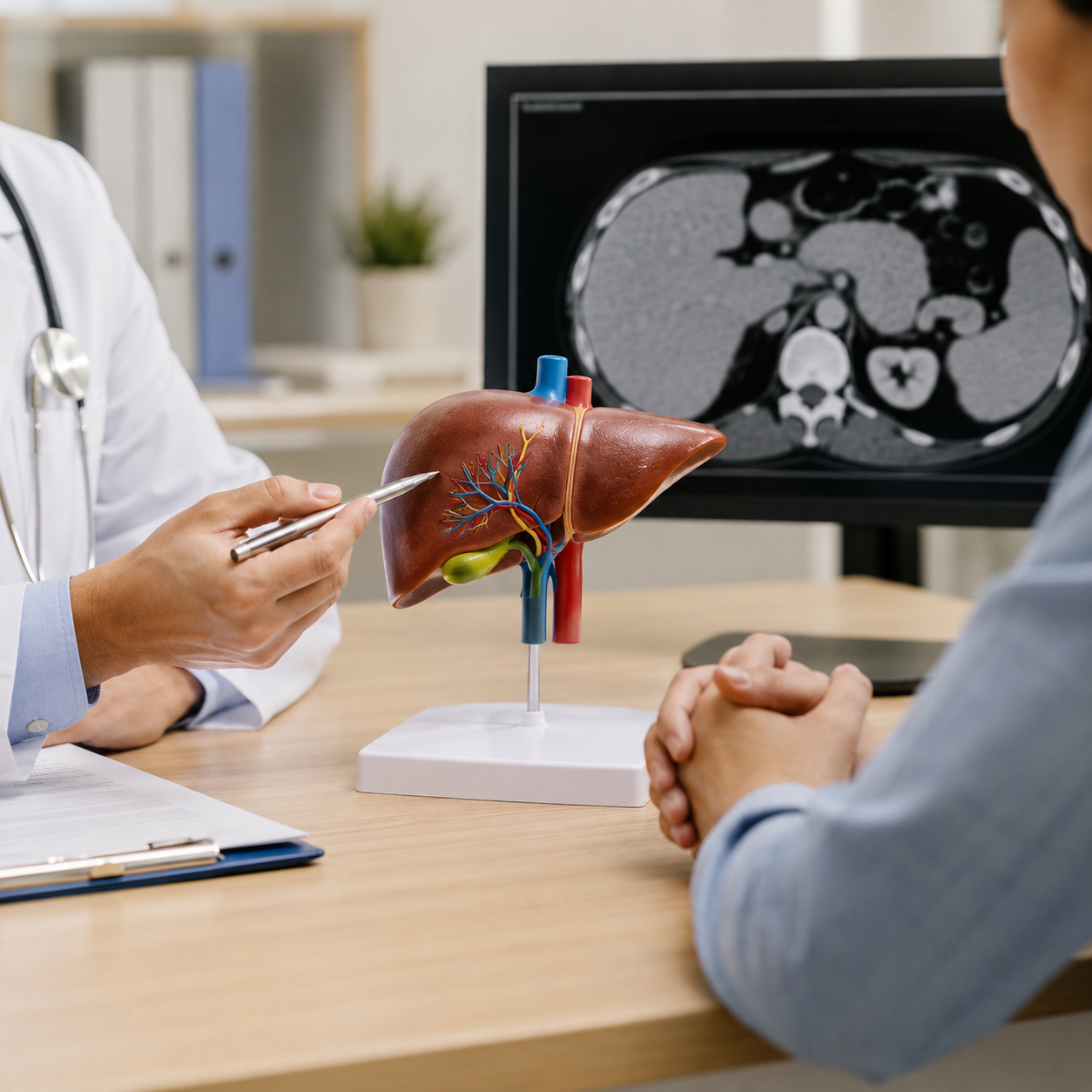
When meeting the doctor, ask for the diagnosis in simple language, the stage, the condition of the liver, the treatment options, the expected benefit, possible side effects, approximate recovery time, and what happens if the first treatment does not work. These questions help families take decisions with less fear and more confidence. At Mumbai Cancer, the focus is to explain choices patiently and guide each person toward appropriate care.
If you or a family member has a liver mass, abnormal liver scan, raised AFP, cirrhosis with a new lesion, jaundice, unexplained weight loss, or has been advised liver cancer surgery, it is sensible to take an early specialist opinion. At Mumbai Cancer, Dr. Deepak Chhabra and the team guide patients with careful evaluation, surgical oncology expertise, and coordinated care with medical oncology, hepatology, radiology, interventional radiology, anaesthesia, nutrition, and supportive care teams.
Every patient is different. The right plan depends on the type of liver cancer, the size and number of tumors, liver function, overall health, and whether the disease is limited to the liver or has spread. A timely consultation can help the family understand options clearly and avoid delay.
There is no single best treatment for everyone. The best option depends on stage, liver function, tumor location, and patient fitness.
No. HCC is often treated with surgery, ablation, embolization, targeted therapy, or immunotherapy depending on stage. Chemotherapy has specific roles in selected cancers.
Advanced treatment may include immunotherapy, targeted therapy, embolization, radiation in selected cases, clinical judgment, and supportive care through a multidisciplinary team.
Many families ask whether surgery, ablation, chemotherapy, targeted therapy, or immunotherapy should come first. The answer depends on the stage and the treatment goal. If the tumor is small and removable, surgery or ablation may come early. If the disease is mainly in the liver but not removable, embolization may be considered. If there is advanced disease or spread outside the liver, systemic treatment may be more appropriate. Sometimes treatment is used to control or shrink the disease first, and surgery is reconsidered later.
The order matters because liver reserve can change after each treatment. A patient who receives an unsuitable procedure may become weaker and lose the chance for a better option later. This is why advanced liver cancer treatment in Mumbai should be guided by a team that understands surgery, interventional procedures, and medical oncology medicines.
Response is usually monitored with scans, blood tests, AFP trends where relevant, symptom review, weight, appetite, and liver function. A tumor may shrink, remain stable, or show reduced blood supply even if the size does not change much immediately. Doctors interpret response based on the treatment used. Patients should avoid changing or stopping treatment just because one symptom improves or one value fluctuates.
Side-effect monitoring is equally important. Immunotherapy can sometimes cause inflammation in the liver, bowel, lungs, thyroid, or other organs. Targeted therapy can affect blood pressure, skin, appetite, and bleeding risk. Embolization can cause fever, pain, nausea, and temporary liver-test changes. Reporting symptoms early helps the team manage side effects before they become serious.
Patients can support treatment by maintaining follow-up, eating as advised, controlling diabetes, avoiding alcohol, staying physically active within limits, and informing the doctor about every medicine being taken. Do not add herbal or alternative medicines during cancer treatment without checking with the team because they may affect the liver or interact with cancer medicines.
Families should keep one updated file with scans, prescriptions, blood tests, discharge summaries, and treatment dates. This simple habit saves time during emergencies and follow-up visits. It also helps when more than one specialist is involved.
Before starting any liver cancer treatment, keep a simple checklist ready. Confirm the exact diagnosis, collect the original scan images, understand whether the cancer is primary liver cancer or has spread from another organ, ask about the stage, and check whether the liver has cirrhosis or other chronic disease. Ask whether the treatment is planned with curative intent, disease-control intent, or symptom-relief intent. This one question removes a lot of confusion for families.
Also discuss practical matters such as hospital stay, number of visits, expected side effects, diet restrictions, medicines to avoid, emergency warning signs, and follow-up schedule. Patients should tell the doctor about diabetes, heart disease, kidney disease, blood thinners, allergies, previous operations, alcohol history, hepatitis treatment, and all supplements or alternative medicines. These details can affect treatment safety.
Families should nominate one person to maintain reports and communicate with the treatment team. In a stressful illness, information can easily get scattered. A clear file, a written medicine list, and a calendar of appointments can make the journey smoother. Mumbai Cancer encourages patients to ask questions early so that decisions are made with understanding, not fear.
Medical note: This article is for patient education and should not replace a personal consultation. Treatment decisions for liver cancer should be made after reviewing reports, scans, liver function, and overall health.
Stay up-to-date with the latest developments in cancer research, treatment, and patient stories through our curated collection of cancer blogs and news articles. From breakthrough discoveries to inspiring survivor journeys.
Discover first hand accounts from patients who have experienced compassionate care and expert treatment at our clinic. Read their reviews to get to know their journey.

5 Out of 5 from 92 Reviews




















 VIDEO CONSULTATION
 Phone Calls
 Physical visit