
Liver cancer means cancer that starts in the liver cells. The most common type is hepatocellular carcinoma, often called HCC. Some people also have bile duct cancer inside the liver, metastatic cancer that has spread from another organ, or a liver tumor that is not cancer. For a patient and family, these names can sound confusing. The practical point is this: a liver lesion should not be ignored, and the exact diagnosis matters because treatment changes completely depending on the type.
The liver is a strong organ. It helps digest food, stores energy, makes proteins, filters toxins, and supports blood clotting. Because it has a large reserve capacity, early liver cancer may not create obvious symptoms. Many patients come to know about it during an ultrasound, CT scan, MRI, or blood test done for another reason. This is why people with cirrhosis, hepatitis B, hepatitis C, fatty liver disease, heavy alcohol-related liver damage, or a family history of liver disease need regular monitoring.
Liver cancer symptoms can be vague in the beginning. A patient may feel tired, lose appetite, feel heaviness or pain in the right upper abdomen, or notice weight loss without trying. Some patients develop swelling in the abdomen, yellow eyes or skin, itching, feverish feeling, nausea, or worsening weakness. If there is cirrhosis, symptoms may overlap with liver failure, so the family may think it is only acidity, age, or general weakness.
Symptoms do not always mean cancer, but they deserve proper evaluation when they persist. A person with known liver disease should be extra alert if there is a new abdominal pain, sudden weight loss, blood vomiting, black stools, increasing abdominal swelling, confusion, or worsening jaundice. These signs need prompt medical attention.
The biggest risk factors for primary liver cancer are chronic liver inflammation and scarring. Hepatitis B can cause liver cancer even before severe cirrhosis develops. Hepatitis C, long-standing alcohol use, non-alcoholic fatty liver disease, obesity, diabetes, and cirrhosis from any cause can increase risk. In India, fatty liver disease is becoming more common because of sedentary lifestyle, central obesity, and diabetes. This does not mean every fatty liver becomes cancer, but high-risk patients should not skip follow-up.
Other risk factors include exposure to aflatoxin in contaminated grains, certain inherited liver diseases, and long-term damage to bile ducts. For many patients, more than one factor is present. A careful liver cancer doctor in Mumbai will not look only at the tumor; they will also assess the background liver because treatment must protect the remaining healthy liver.
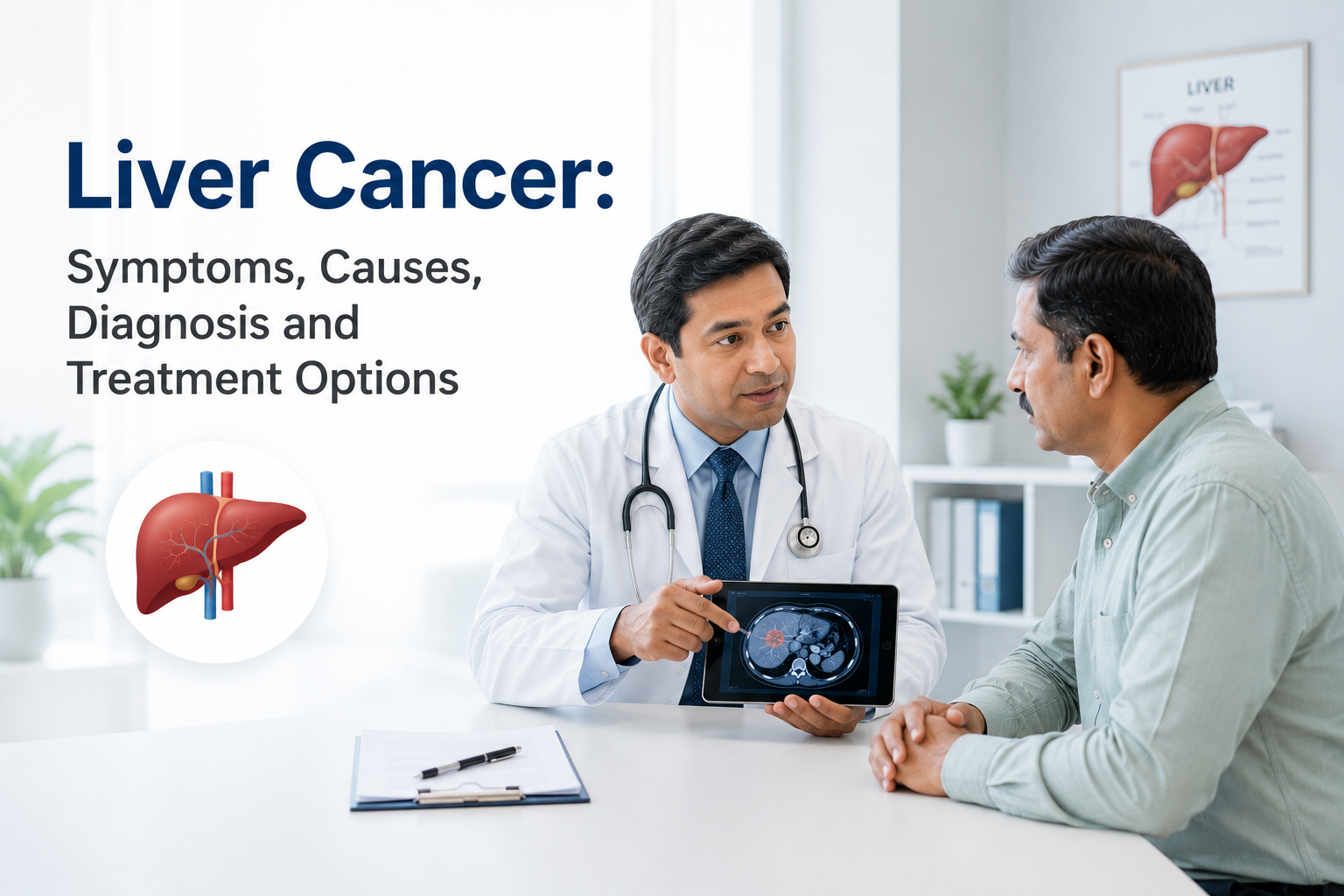
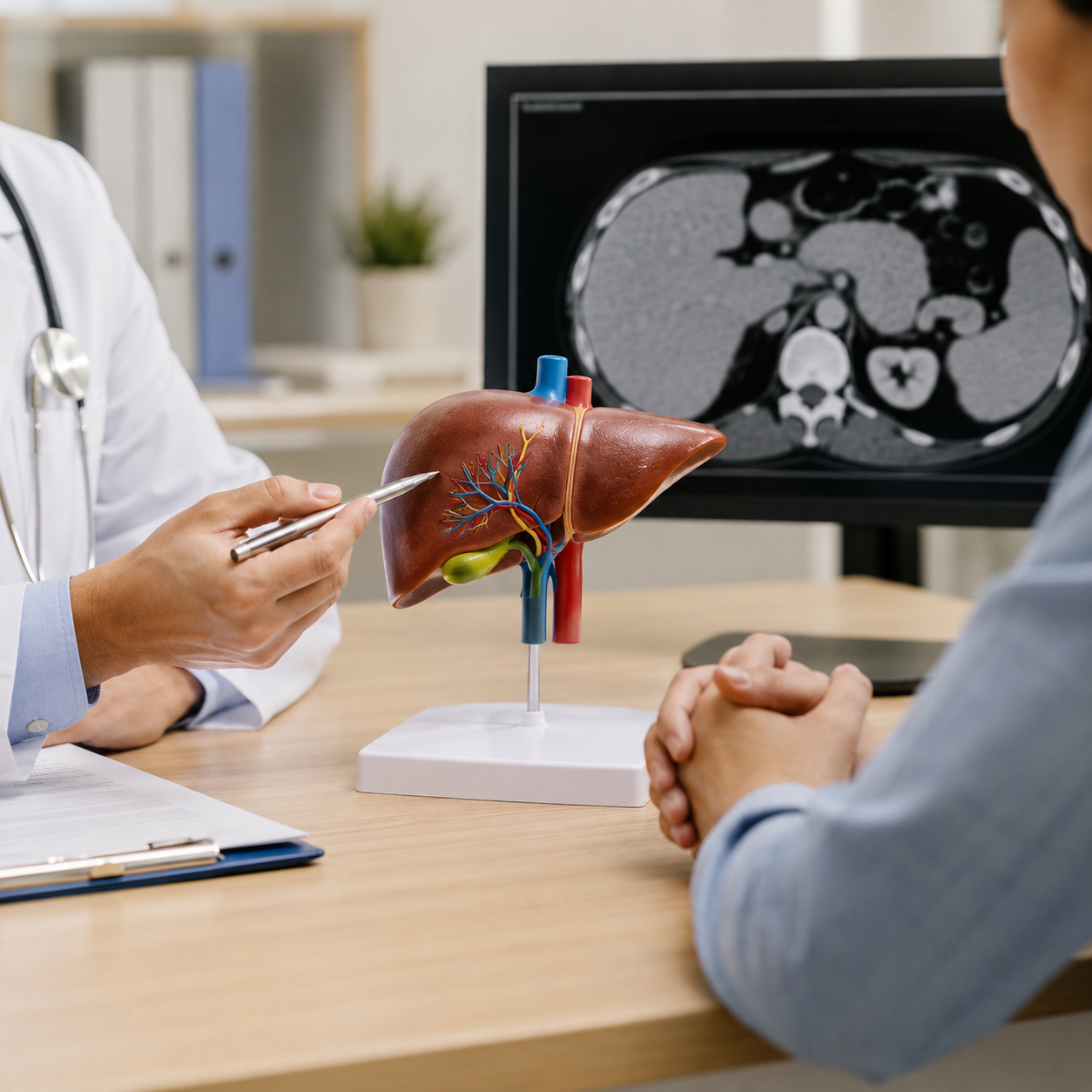
Diagnosis usually starts with history, examination, liver function tests, viral markers, AFP blood test, and imaging. A good quality contrast CT scan or dynamic MRI can often identify typical features of HCC. In selected cases, biopsy may be required, especially when imaging is not typical or when another type of tumor is suspected. The doctor also checks whether the tumor is single or multiple, whether blood vessels are involved, and whether cancer has spread outside the liver.
One of the most important parts of diagnosis is staging. Staging is not only about tumor size. In liver cancer, doctors also consider liver function, portal hypertension, performance status, and patient fitness. Two patients with the same tumor size may need different treatment because one may have a healthy liver and another may have advanced cirrhosis.
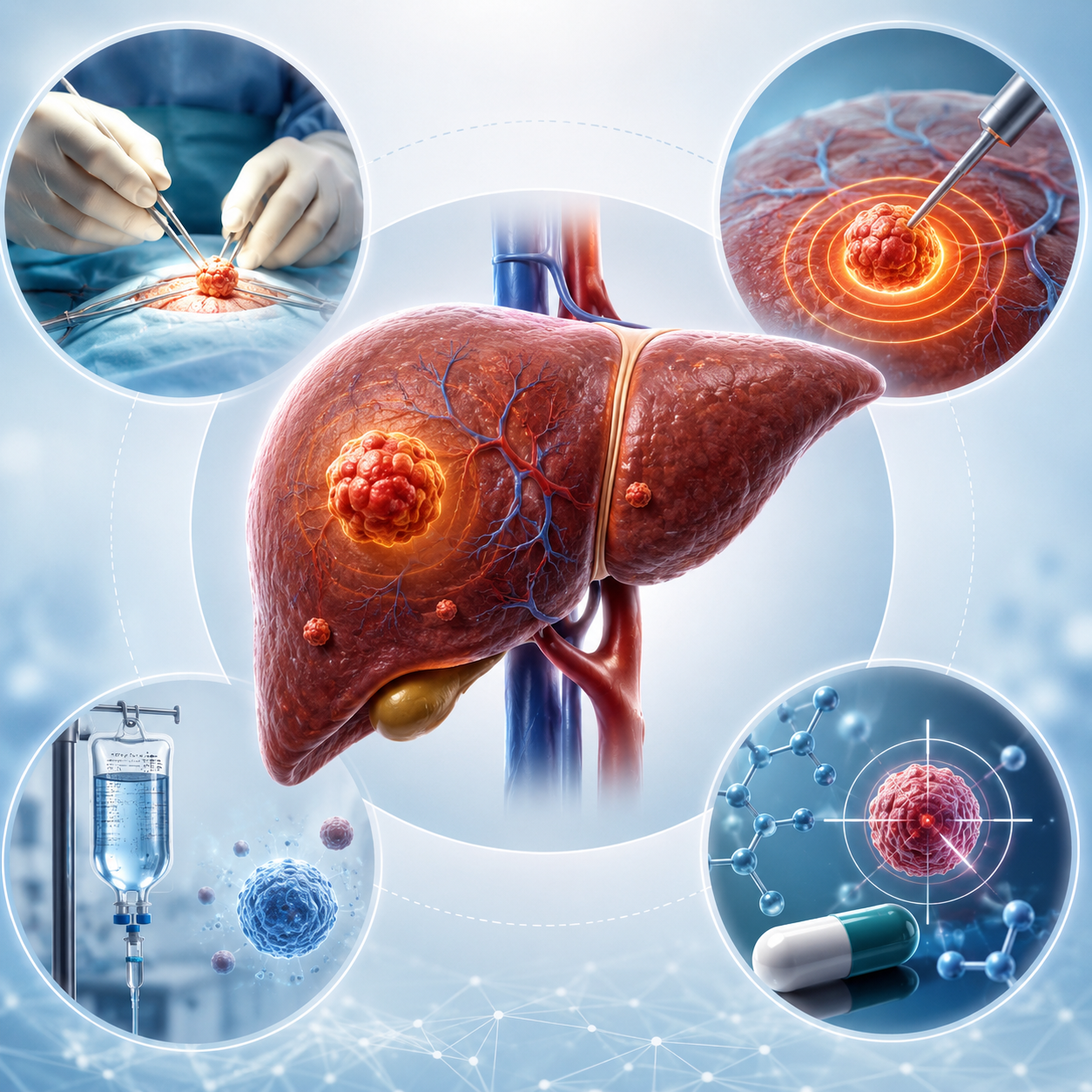
Liver cancer treatment in Mumbai may include surgery, liver transplant evaluation, ablation, embolization, targeted therapy, immunotherapy, radiation in selected cases, chemotherapy in specific situations, and supportive care. Surgery can remove the tumor when the cancer is limited and the remaining liver is strong enough. Ablation can destroy small tumors using heat or other energy. TACE or TARE may be used when surgery is not suitable but disease is mainly in the liver. Advanced liver cancer may be treated with targeted therapy or immunotherapy after medical oncology assessment.
The best approach is rarely decided by one report alone. A multidisciplinary discussion helps match treatment to the patient. For example, a small tumor in a healthy liver may be treated surgically. A small tumor in a cirrhotic liver may need transplant evaluation or ablation. A larger tumor may need staged treatment, downstaging, or systemic therapy. This is why choosing a liver cancer specialist in Mumbai with access to a coordinated team is important.
Early diagnosis gives the patient more options. When liver cancer is detected at an early stage, curative treatments such as surgery, ablation, or transplant assessment may be possible. Delayed diagnosis can reduce the chance of cure and may shift the focus toward disease control. Families should not wait for severe pain or jaundice before consulting.
For patients already diagnosed, it is helpful to bring all old reports, CT or MRI films, biopsy slides if available, liver function tests, viral marker reports, medicines list, and any previous treatment details. A structured consultation saves time and helps the team give a clear plan.
If you or a family member has a liver mass, abnormal liver scan, raised AFP, cirrhosis with a new lesion, jaundice, unexplained weight loss, or has been advised liver cancer surgery, it is sensible to take an early specialist opinion. At Mumbai Cancer, Dr. Deepak Chhabra and the team guide patients with careful evaluation, surgical oncology expertise, and coordinated care with medical oncology, hepatology, radiology, interventional radiology, anaesthesia, nutrition, and supportive care teams.
Every patient is different. The right plan depends on the type of liver cancer, the size and number of tumors, liver function, overall health, and whether the disease is limited to the liver or has spread. A timely consultation can help the family understand options clearly and avoid delay.
No. Early liver cancer may cause no pain. Some patients have only vague weakness, appetite loss, or an abnormal scan.
Yes, many patients can be treated, especially when detected early. Treatment may aim for cure, long-term control, symptom relief, or a combination depending on stage.
Anyone with a suspicious liver mass, known HCC, cirrhosis with a new lesion, or confusing scan report should seek specialist opinion early.
A liver cancer consultation becomes much more productive when the family brings complete information. Carry the original CT or MRI images, not only the printed report, because treatment decisions often depend on small details such as tumor location, vessel involvement, and the quality of the remaining liver. If the scan was done outside, ask for the CD, pen drive, or online link. Bring old ultrasound reports, liver function tests, AFP reports, hepatitis B and C reports, discharge summaries, endoscopy reports if cirrhosis is known, and a list of all medicines including blood thinners, diabetes tablets, painkillers, ayurvedic or herbal products, and supplements.
It is also useful to write down the timeline. When did symptoms start? Was there weight loss? Was jaundice present before? Has fluid ever collected in the abdomen? Has the patient vomited blood or passed black stools? Was hepatitis treated earlier? Does the patient drink alcohol or have diabetes? These details are personal, but they help the doctor judge liver reserve and treatment safety. A family member should attend the consultation if possible because there may be many details to remember.
In many cancers, doctors focus mainly on the stage of the cancer. In liver cancer, the condition of the liver is equally important. A patient may have a small cancer but a weak liver, making major surgery risky. Another patient may have a larger tumor but a healthier liver, allowing more aggressive treatment. This is why liver cancer treatment in Mumbai should include both cancer staging and liver-function assessment.
The treating team also considers whether treatment is curative or controlling. Curative options may include surgery, ablation, or transplant evaluation in selected cases. Disease-control options may include embolization, targeted therapy, immunotherapy, radiation in selected cases, or supportive care. Good care means being honest about the goal while still offering active help. Even when cure is not possible, treatment can reduce symptoms, slow disease, and improve quality of life for many patients.
Follow-up is not optional in liver cancer. After surgery or ablation, scans are usually repeated at regular intervals to check for recurrence. Blood tests monitor liver function, AFP, nutrition, and treatment side effects. Patients with cirrhosis need continued liver care even if the tumor has been treated successfully. If hepatitis B or C is present, antiviral treatment and long-term monitoring may reduce further liver damage.
Families should keep a treatment file and avoid missing follow-up dates. If a new symptom appears between appointments, such as jaundice, swelling, fever, confusion, vomiting blood, or severe pain, the doctor should be contacted early. Timely follow-up protects the benefit gained from treatment and allows the team to act before problems become advanced.
Medical note: This article is for patient education and should not replace a personal consultation. Treatment decisions for liver cancer should be made after reviewing reports, scans, liver function, and overall health.
Stay up-to-date with the latest developments in cancer research, treatment, and patient stories through our curated collection of cancer blogs and news articles. From breakthrough discoveries to inspiring survivor journeys.
Discover first hand accounts from patients who have experienced compassionate care and expert treatment at our clinic. Read their reviews to get to know their journey.

5 Out of 5 from 92 Reviews


















 VIDEO CONSULTATION
 Phone Calls
 Physical visit