
If liver cancer surgery is advised, the first step is understanding exactly what operation is planned and why. The surgeon explains which part of the liver will be removed, whether the tumor is close to major blood vessels or bile ducts, how much liver will remain, and what risks are expected. Families should ask whether the operation is being done with curative intent and whether further treatment may be needed afterward.
Before liver cancer surgery in Mumbai, patients usually undergo detailed blood tests, CT or MRI review, anaesthesia assessment, cardiac fitness if needed, and sometimes liver volume assessment. If the patient has hepatitis, cirrhosis, diabetes, high blood pressure, or heart disease, those conditions are optimised before surgery.
Preparation includes eating well as advised, staying active within limits, stopping alcohol, avoiding smoking, and taking medicines correctly. Do not stop blood pressure, diabetes, thyroid, hepatitis, or heart medicines without advice. Blood thinners and certain supplements may need adjustment, but this should be guided by the doctor. Patients should inform the team about all medicines, including herbal or ayurvedic products.
Families can prepare by arranging hospital documents, insurance papers, blood donors if requested, comfortable clothes, and a post-discharge support plan. The patient may need help at home for walking, meals, medicines, and follow-up visits.
On admission, the team checks reports, consent, medicines, fasting instructions, and anaesthesia planning. After surgery, some patients are monitored in ICU or a high-dependency unit. This does not always mean something is wrong; it is often planned monitoring after major surgery. Nurses and doctors watch blood pressure, urine output, pain, drains, blood tests, liver function, and breathing.
Patients are encouraged to do breathing exercises and move as early as safely possible. Early movement reduces risk of chest infection and clots. Pain control is important because patients breathe and walk better when pain is managed properly.
Every major surgery has risks. Liver surgery risks may include bleeding, bile leak, infection, liver failure, fluid collection, chest infection, blood clots, delayed recovery, or need for ICU care. The risk depends on the extent of surgery, liver function, tumor location, age, nutrition, and other medical conditions. A good liver cancer operation doctor in Mumbai explains these risks in a balanced way before surgery.
Knowing the risks should not create panic. It helps families understand why preparation, monitoring, and follow-up matter. Many complications can be managed better when detected early.
At home, the patient should follow diet advice, walk regularly, avoid heavy lifting, keep the wound clean, and take medicines as prescribed. Tiredness is common for several weeks. Appetite may take time to return. Follow-up blood tests and clinic visits help confirm recovery. The final pathology report guides whether further treatment or only surveillance is needed.
Contact the doctor if there is fever, increasing pain, yellow eyes, vomiting, wound discharge, swelling, breathlessness, confusion, or bleeding. Do not self-medicate with painkillers because some medicines can harm the liver or increase bleeding risk.
Families often feel anxious before and after surgery. It helps to have one main family contact who communicates with the medical team and shares updates with relatives. Too many opinions at once can confuse the patient. Calm support, practical help, and trust in the treatment plan make recovery easier.
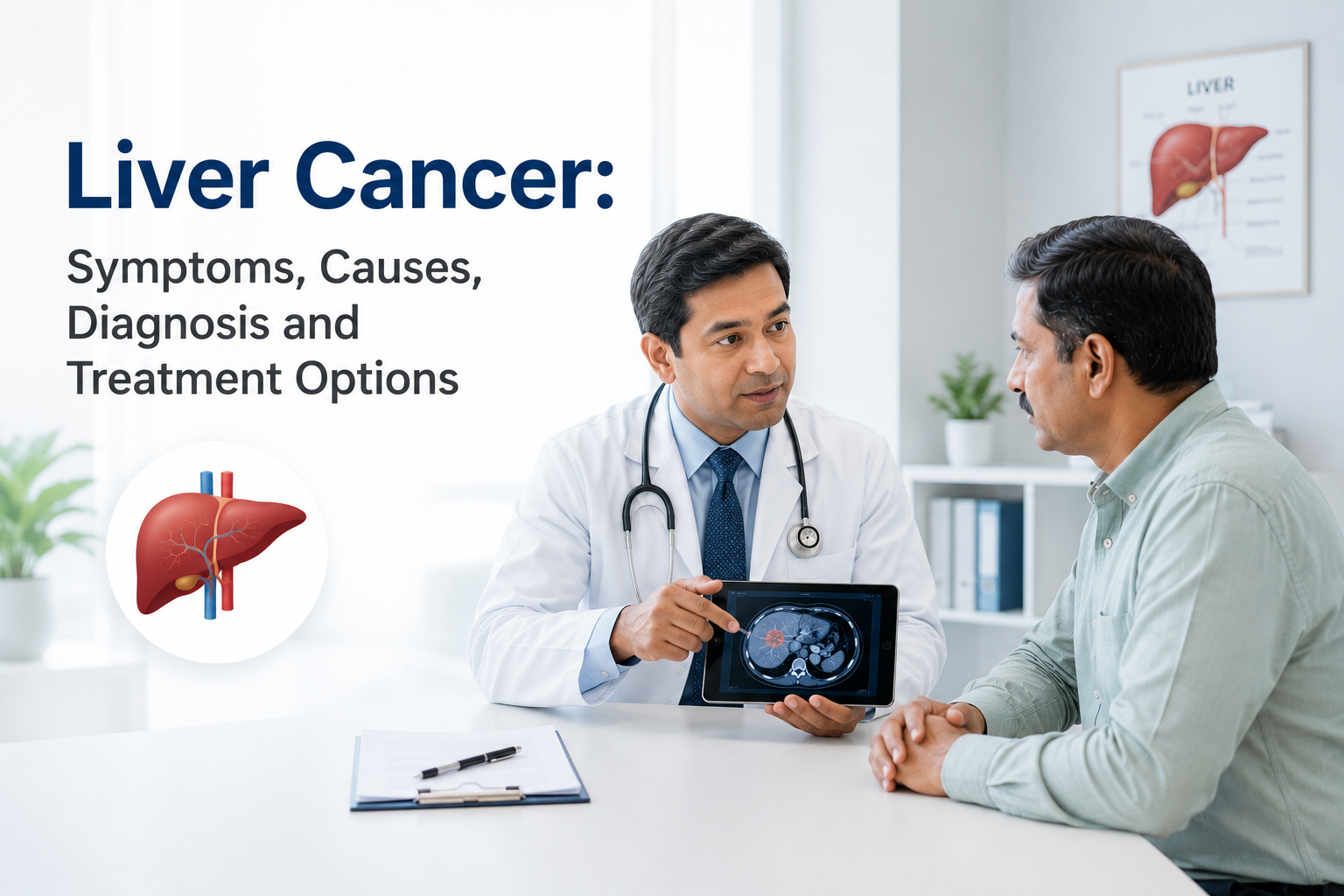
Every liver cancer article can only explain general principles. A real treatment plan must be based on the patient’s scan images, liver function, tumor markers, biopsy if done, age, fitness, symptoms, and personal priorities. Families should avoid comparing one patient’s plan with another patient’s plan because two liver tumors that sound similar may behave very differently. The safest next step is a consultation where reports are reviewed together and the treatment goal is stated clearly.
When meeting the doctor, ask for the diagnosis in simple language, the stage, the condition of the liver, the treatment options, the expected benefit, possible side effects, approximate recovery time, and what happens if the first treatment does not work. These questions help families take decisions with less fear and more confidence. At Mumbai Cancer, the focus is to explain choices patiently and guide each person toward appropriate care.
If you or a family member has a liver mass, abnormal liver scan, raised AFP, cirrhosis with a new lesion, jaundice, unexplained weight loss, or has been advised liver cancer surgery, it is sensible to take an early specialist opinion. At Mumbai Cancer, Dr. Deepak Chhabra and the team guide patients with careful evaluation, surgical oncology expertise, and coordinated care with medical oncology, hepatology, radiology, interventional radiology, anaesthesia, nutrition, and supportive care teams.
Every patient is different. The right plan depends on the type of liver cancer, the size and number of tumors, liver function, overall health, and whether the disease is limited to the liver or has spread. A timely consultation can help the family understand options clearly and avoid delay.
Hospital stay varies depending on surgery extent and recovery. Some patients need ICU or high-dependency monitoring initially.
It is major surgery and has risks, but careful patient selection and planning reduce avoidable risk.
A surgeon experienced in hepatobiliary and cancer surgery should evaluate and perform such operations where appropriate.
Before liver surgery, families should ask which part of the liver will be removed, how much liver will remain, whether there is cirrhosis, what complications are most relevant in this case, whether blood transfusion may be needed, whether ICU stay is planned, and how long recovery may take. They should also ask what the plan will be if the final pathology report shows high-risk features.
Consent should not feel like a formality. It is a conversation that helps the patient understand the operation and alternatives. A good liver cancer operation doctor in Mumbai will answer questions in simple language and make sure the family knows why surgery is being advised.
Many liver cancer patients have weight loss, low appetite, diabetes, or liver-related weakness. Improving nutrition before surgery can help healing. The diet may include balanced protein, small frequent meals, and attention to salt or fluid restrictions if cirrhosis is present. A dietitian’s advice is helpful because not every patient needs the same diet.
Walking, breathing exercises, and stopping smoking can also support recovery. Patients should not begin strenuous exercise suddenly, but gentle activity as advised can improve stamina. If the patient is very weak, the team may suggest prehabilitation before surgery.
After recovery, patients need regular follow-up. The first few visits focus on wound healing, liver tests, appetite, pain, and strength. Later visits focus on recurrence surveillance with scans and blood tests. If the patient has hepatitis, fatty liver, alcohol-related damage, or cirrhosis, those conditions still need care. Surgery removes the tumor, but it does not automatically remove the background liver risk.
Families should encourage normal activity gradually and avoid treating the patient as permanently fragile. With proper guidance, many patients return to daily routines. The key is steady recovery, timely follow-up, and early reporting of warning symptoms.
Before starting any liver cancer treatment, keep a simple checklist ready. Confirm the exact diagnosis, collect the original scan images, understand whether the cancer is primary liver cancer or has spread from another organ, ask about the stage, and check whether the liver has cirrhosis or other chronic disease. Ask whether the treatment is planned with curative intent, disease-control intent, or symptom-relief intent. This one question removes a lot of confusion for families.
Also discuss practical matters such as hospital stay, number of visits, expected side effects, diet restrictions, medicines to avoid, emergency warning signs, and follow-up schedule. Patients should tell the doctor about diabetes, heart disease, kidney disease, blood thinners, allergies, previous operations, alcohol history, hepatitis treatment, and all supplements or alternative medicines. These details can affect treatment safety.
Families should nominate one person to maintain reports and communicate with the treatment team. In a stressful illness, information can easily get scattered. A clear file, a written medicine list, and a calendar of appointments can make the journey smoother. Mumbai Cancer encourages patients to ask questions early so that decisions are made with understanding, not fear.
A fresh specialist opinion is useful when the diagnosis is unclear, when surgery has been advised, when treatment options sound confusing, or when the disease has changed after earlier treatment. Taking another opinion does not mean delaying care; it often helps the family proceed with more confidence. Bring all reports and images so the consultation can focus on decisions rather than repeating the same uncertainty.
Medical note: This article is for patient education and should not replace a personal consultation. Treatment decisions for liver cancer should be made after reviewing reports, scans, liver function, and overall health.
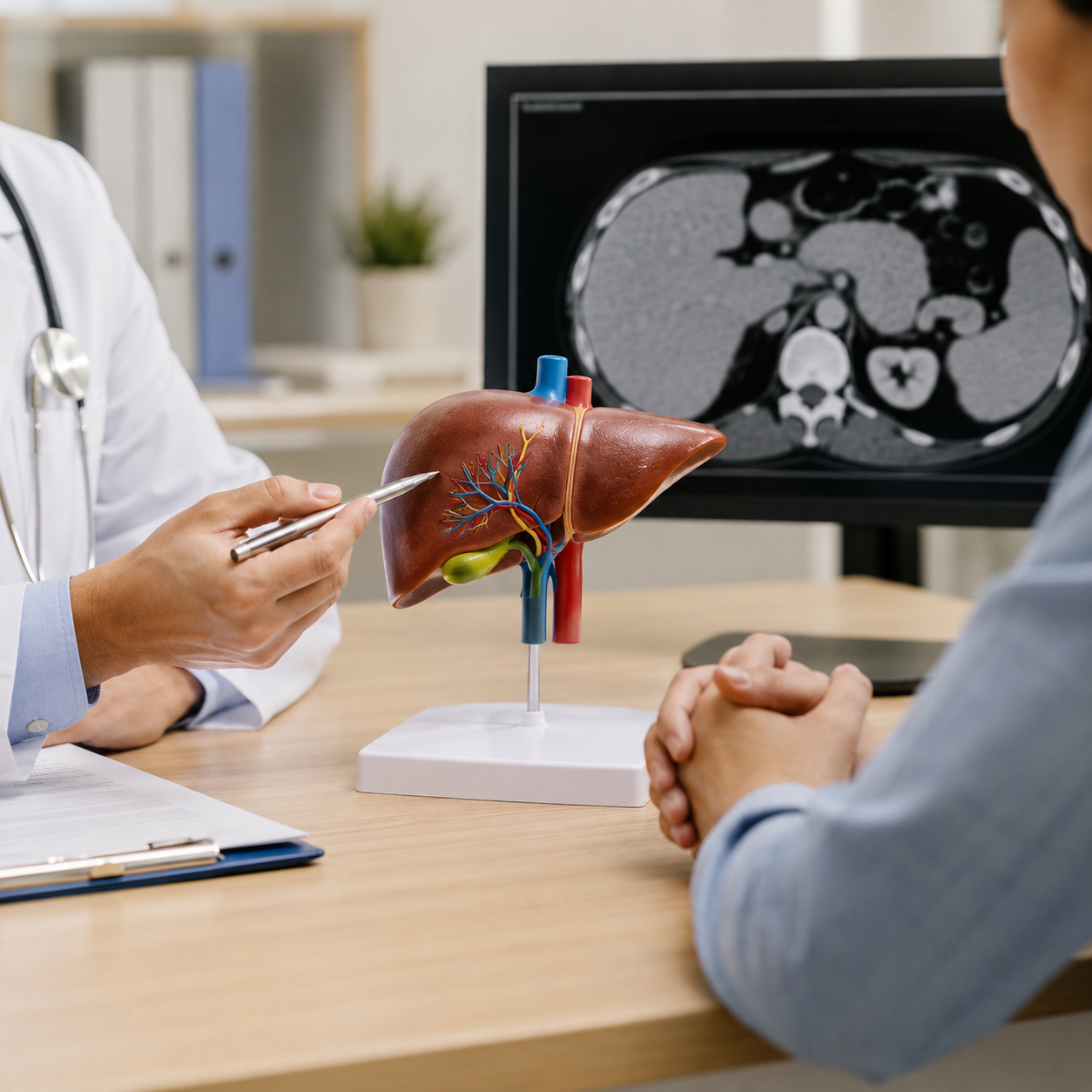
Stay up-to-date with the latest developments in cancer research, treatment, and patient stories through our curated collection of cancer blogs and news articles. From breakthrough discoveries to inspiring survivor journeys.
Discover first hand accounts from patients who have experienced compassionate care and expert treatment at our clinic. Read their reviews to get to know their journey.

5 Out of 5 from 92 Reviews


















 VIDEO CONSULTATION
 Phone Calls
 Physical visit