
A surgical oncologist is a surgeon trained to treat cancer with surgery as part of a wider cancer plan. In liver cancer, this role is not limited to operating. A surgical oncologist helps confirm whether the tumor is removable, whether surgery is the right first step, whether another treatment should come before surgery, and how the patient should be followed after treatment.
Liver cancer care is complex because the operation must remove cancer while preserving enough healthy liver. A hepatobiliary cancer surgeon in Mumbai must understand liver anatomy, cancer biology, liver function, and the patient’s overall condition. This combination of surgical judgment and oncology planning is what makes the role important.
Before recommending treatment, the surgical oncologist reviews the diagnosis carefully. Is it hepatocellular carcinoma, bile duct cancer, a benign liver tumor, or cancer that has spread from another organ? Is the disease limited to one part of the liver? Are major vessels involved? Is there spread outside the liver? What is the AFP level? Does the patient have cirrhosis or hepatitis?
The answers guide treatment. Surgery may help one patient, while ablation, embolization, systemic therapy, or supportive care may be better for another. A surgical oncologist should be comfortable saying both “surgery can help” and “surgery is not safe or not useful here” when that is the honest answer.
If surgery is suitable, the surgeon plans the extent of liver removal. This may involve removing a small segment, a section, or a larger part of the liver. The plan depends on tumor position, blood vessels, bile ducts, and future liver remnant. Sometimes advanced planning such as volumetry or portal vein embolization may be needed to improve safety.
The surgeon also coordinates with anaesthesia, ICU, blood bank, radiology, and nursing teams. Nutrition and fitness are optimised before surgery. Patients are counselled about hospital stay, recovery, possible complications, and follow-up. Good planning reduces surprises and helps families prepare.
A liver cancer surgeon in Mumbai often works with medical oncologists, interventional radiologists, hepatologists, radiation oncologists, pathologists, and radiologists. For example, an interventional radiologist may perform ablation or TACE. A medical oncologist may advise immunotherapy or targeted therapy. A hepatologist may manage cirrhosis, hepatitis, ascites, or portal hypertension. The surgical oncologist helps integrate these inputs into one practical plan.
This coordination is especially important when the disease is borderline operable. Some patients may need treatment first to shrink or control the tumor before surgery is reconsidered. Others may need surgery followed by additional therapy based on final pathology.
After surgery, the surgical oncologist reviews the pathology report, wound recovery, liver function, and surveillance plan. Follow-up scans are scheduled to detect recurrence early. If recurrence occurs, treatment may still be possible depending on location, number of lesions, liver function, and previous treatment. Options may include repeat surgery, ablation, embolization, systemic therapy, or supportive care.
The patient should not feel abandoned after the operation. Liver cancer follow-up is a long journey. A clear follow-up plan helps the family understand what tests are needed and when to seek help.
Families often come with the question, “Is operation possible?” A surgical oncologist answers a deeper question: “Will operation help this patient safely, and how does it fit into the total cancer plan?” That broader view protects patients from both unnecessary surgery and missed opportunities for curative treatment.
Every liver cancer article can only explain general principles. A real treatment plan must be based on the patient’s scan images, liver function, tumor markers, biopsy if done, age, fitness, symptoms, and personal priorities. Families should avoid comparing one patient’s plan with another patient’s plan because two liver tumors that sound similar may behave very differently. The safest next step is a consultation where reports are reviewed together and the treatment goal is stated clearly.
When meeting the doctor, ask for the diagnosis in simple language, the stage, the condition of the liver, the treatment options, the expected benefit, possible side effects, approximate recovery time, and what happens if the first treatment does not work. These questions help families take decisions with less fear and more confidence. At Mumbai Cancer, the focus is to explain choices patiently and guide each person toward appropriate care.
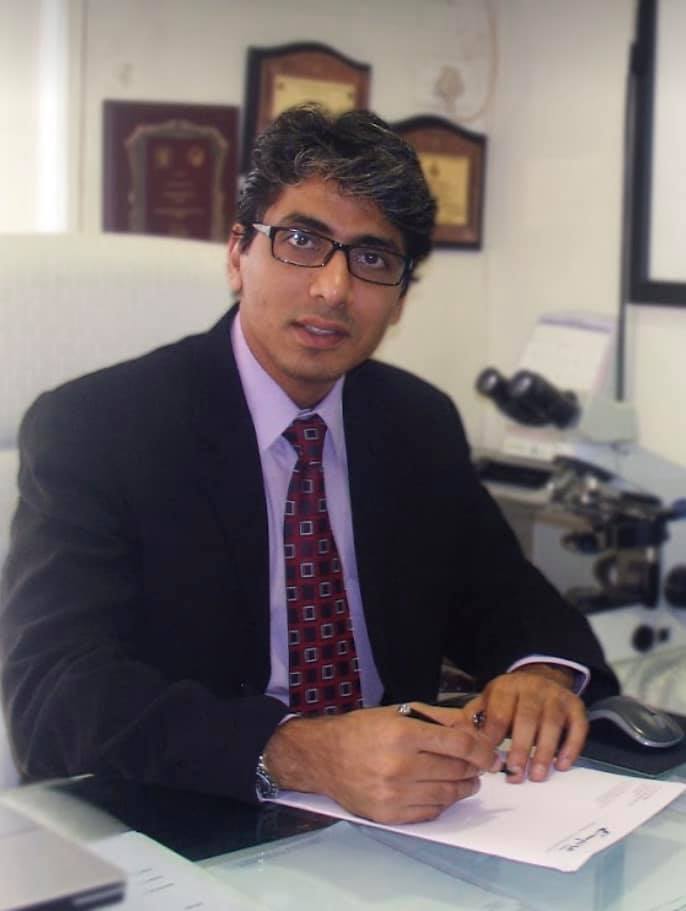
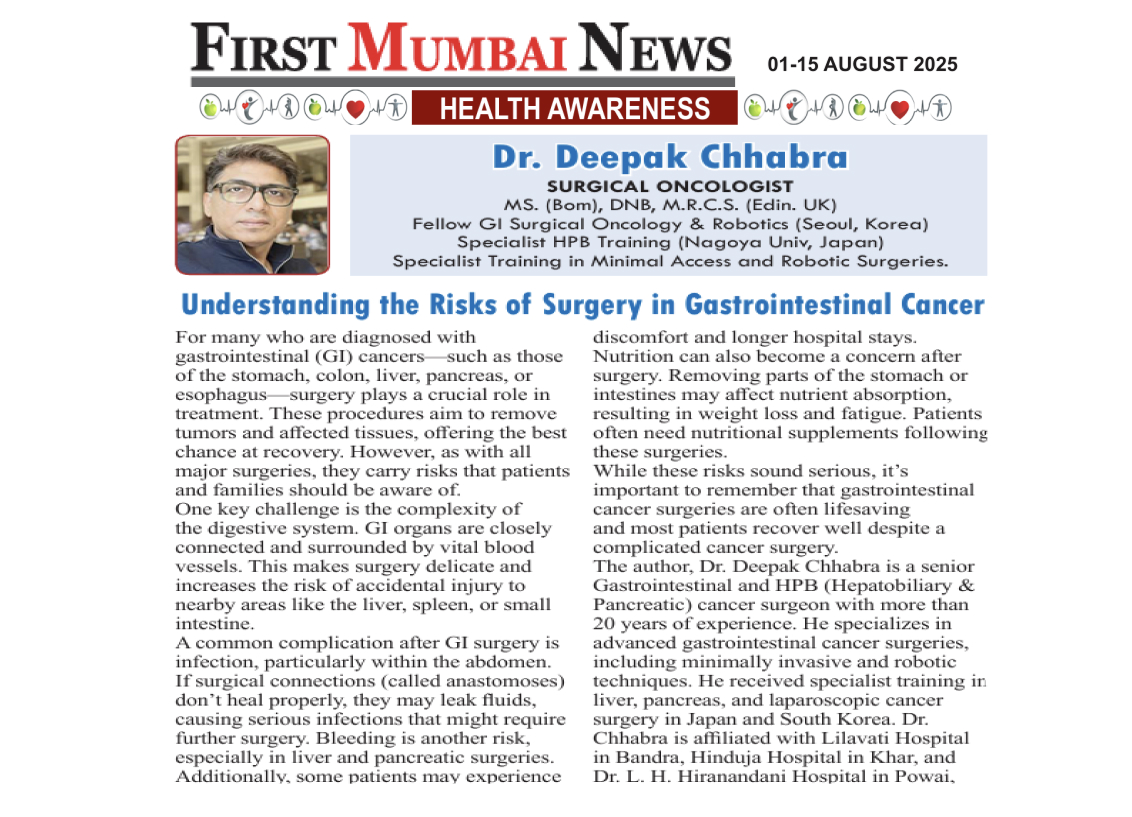
If you or a family member has a liver mass, abnormal liver scan, raised AFP, cirrhosis with a new lesion, jaundice, unexplained weight loss, or has been advised liver cancer surgery, it is sensible to take an early specialist opinion. At Mumbai Cancer, Dr. Deepak Chhabra and the team guide patients with careful evaluation, surgical oncology expertise, and coordinated care with medical oncology, hepatology, radiology, interventional radiology, anaesthesia, nutrition, and supportive care teams.
Every patient is different. The right plan depends on the type of liver cancer, the size and number of tumors, liver function, overall health, and whether the disease is limited to the liver or has spread. A timely consultation can help the family understand options clearly and avoid delay.
Yes. A surgical oncologist has focused cancer surgery training and plans surgery as part of complete cancer treatment.
No. A good surgical consultation may confirm that non-surgical treatment is safer or more appropriate.
Dr. Deepak Chhabra evaluates liver cancer with surgical oncology judgment and coordinates care through Mumbai Cancer where team-based treatment is needed.
One of the most valuable roles of a surgical oncologist is risk explanation. Families may hear that the tumor is operable and assume that surgery is automatically the best choice. But liver surgery risk depends on liver function, future liver remnant, cirrhosis, portal hypertension, tumor location, nutrition, age, heart condition, diabetes, and previous treatments. A thoughtful surgeon explains both the possible benefit and the possible harm.
This is especially important for patients with borderline liver reserve. Removing the tumor is meaningful only if the remaining liver can support life afterward. A hepatobiliary cancer surgeon in Mumbai may recommend further tests, prehabilitation, liver optimisation, or a non-surgical treatment if the risk is too high. This protects the patient from avoidable complications.
Hearing that surgery is not advised can be disappointing, but it may be the safest and most honest recommendation. Surgery may be avoided when disease is too widespread, liver function is poor, the tumor cannot be removed completely, or another treatment offers better control with less risk. In such situations, the surgical oncologist helps direct the patient toward medical oncology, interventional radiology, hepatology, or supportive care.
A “no surgery now” decision may also be temporary. Some patients may receive treatment first and be reassessed later. The important thing is that the family understands the reason and the next step. Good care should never leave the patient feeling abandoned.
After surgery or non-surgical treatment, the surgical oncologist remains important for follow-up. Recurrence, wound issues, abdominal symptoms, bile leak concerns, or new scan findings may need surgical review. Patients should keep follow-up dates and bring all new reports. A trusted liver cancer surgeon in Mumbai helps the family understand whether new findings are serious, treatable, or simply part of recovery.
At Mumbai Cancer, Dr. Deepak Chhabra’s role includes surgical assessment, patient counselling, coordination with other cancer specialists, and long-term guidance. This is useful for families who want a doctor who can explain the whole journey, not just the operation.
Before starting any liver cancer treatment, keep a simple checklist ready. Confirm the exact diagnosis, collect the original scan images, understand whether the cancer is primary liver cancer or has spread from another organ, ask about the stage, and check whether the liver has cirrhosis or other chronic disease. Ask whether the treatment is planned with curative intent, disease-control intent, or symptom-relief intent. This one question removes a lot of confusion for families.
Also discuss practical matters such as hospital stay, number of visits, expected side effects, diet restrictions, medicines to avoid, emergency warning signs, and follow-up schedule. Patients should tell the doctor about diabetes, heart disease, kidney disease, blood thinners, allergies, previous operations, alcohol history, hepatitis treatment, and all supplements or alternative medicines. These details can affect treatment safety.
Families should nominate one person to maintain reports and communicate with the treatment team. In a stressful illness, information can easily get scattered. A clear file, a written medicine list, and a calendar of appointments can make the journey smoother. Mumbai Cancer encourages patients to ask questions early so that decisions are made with understanding, not fear.
Medical note: This article is for patient education and should not replace a personal consultation. Treatment decisions for liver cancer should be made after reviewing reports, scans, liver function, and overall health.

Stay up-to-date with the latest developments in cancer research, treatment, and patient stories through our curated collection of cancer blogs and news articles. From breakthrough discoveries to inspiring survivor journeys.
Discover first hand accounts from patients who have experienced compassionate care and expert treatment at our clinic. Read their reviews to get to know their journey.

5 Out of 5 from 92 Reviews



















 VIDEO CONSULTATION
 Phone Calls
 Physical visit