
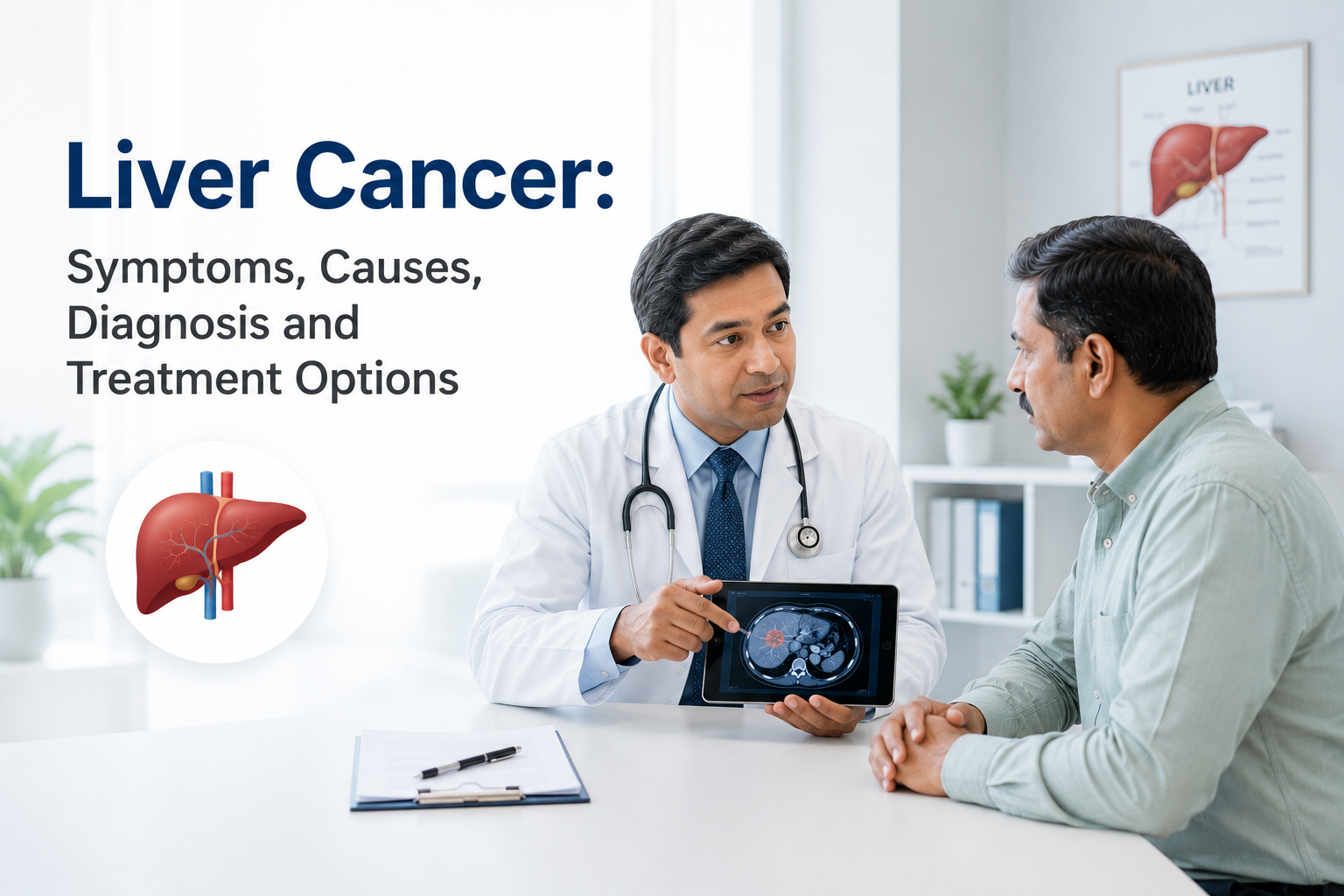
When a family hears the words liver cancer, the first reaction is usually fear. The second question is often, “Who is the best doctor?” This is understandable, but the best liver cancer doctor in Mumbai is not only someone with a good title. Liver cancer care needs correct diagnosis, careful staging, understanding of liver function, surgical judgment, medical oncology input, interventional radiology, hepatology support, and compassionate communication.
Patients should look for a doctor who explains the disease clearly and does not rush into treatment without reviewing the full picture. Liver cancer is not treated by a single formula. A small tumor in a healthy liver, a tumor in cirrhosis, a large tumor near blood vessels, and advanced disease with spread outside the liver all need different plans.
A liver tumor specialist in Mumbai should be comfortable reading liver-focused CT or MRI reports, understanding AFP trends, distinguishing primary liver cancer from metastasis, and knowing when biopsy is required. The doctor should also understand the difference between hepatocellular carcinoma, cholangiocarcinoma, benign liver tumors, and secondary liver tumors from colon, pancreas, breast, or other cancers. This distinction matters because treatment can change completely.
Experience in hepatobiliary oncology is especially important when surgery is being considered. Liver operations require planning around blood vessels, bile ducts, and remaining liver volume. A doctor who routinely works with complex abdominal cancers is more likely to anticipate practical issues and coordinate the right team.
Good liver cancer care often needs a multidisciplinary team. This may include a surgical oncologist, liver surgeon, medical oncologist, radiation oncologist, interventional radiologist, hepatologist, pathologist, radiologist, anaesthetist, dietitian, pain specialist, and palliative care team. The patient may not meet everyone on the first day, but the treating doctor should know when to involve each specialist.
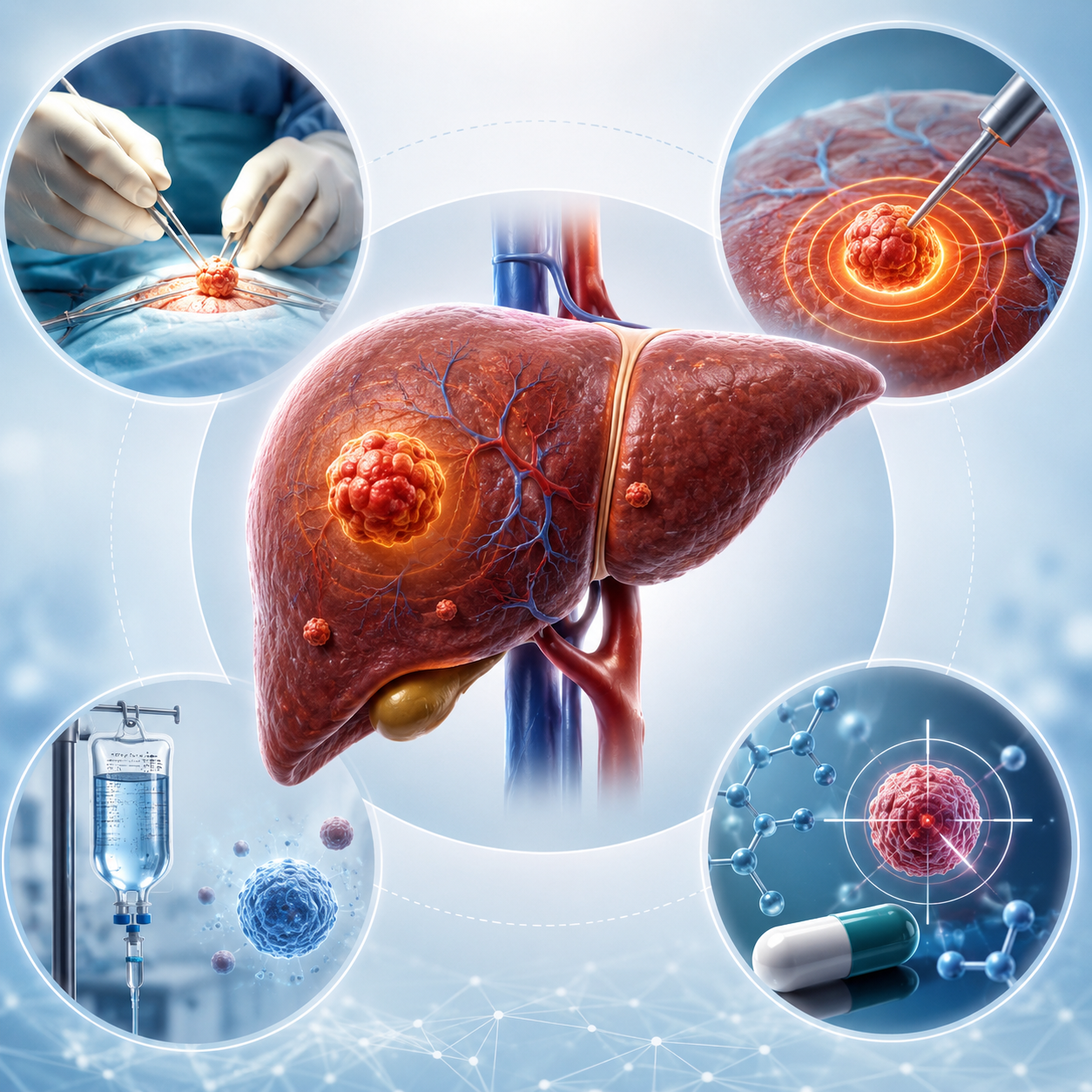
For example, a liver cancer oncologist in Mumbai may guide targeted therapy or immunotherapy for advanced disease. An interventional radiologist may perform TACE, TARE, or ablation. A surgical oncologist may evaluate whether resection is possible. A hepatologist may manage cirrhosis, hepatitis, ascites, or liver failure. The strength of the plan comes from coordination.
Medical expertise is essential, but communication also matters. Families should feel comfortable asking questions. The doctor should explain the stage, intent of treatment, expected benefits, risks, alternatives, cost considerations, recovery time, and follow-up schedule. A good consultation does not create false promises, but it should also not leave the family more confused than before.
Patients can prepare by carrying all reports in order: blood tests, scan films or CDs, biopsy report, discharge summaries, previous treatment details, medicines, and liver disease history. A doctor who takes time to review these details can provide a more accurate opinion.
Useful questions include: What type of liver cancer is suspected? Is the diagnosis confirmed? What stage is it? Is the liver strong enough for surgery? Is the cancer limited to the liver? Do we need more scans? Is biopsy needed? What are the treatment options? Is the aim cure, control, or symptom relief? What happens if we wait? What side effects should we expect?
Families should also ask who will coordinate care after the first treatment. Liver cancer follow-up is long-term. Even after successful surgery or ablation, patients need regular scans and liver monitoring because recurrence can happen. A reliable follow-up system is part of good care.
Online information is helpful, but it cannot replace personal evaluation. One patient may say surgery worked for them; another may say immunotherapy helped. Both experiences may be true, but your case may be different. Treatment decisions depend on tumor stage, liver function, general fitness, previous treatment, and patient preference.
Families should also be cautious about miracle claims, guaranteed cures, or treatment decisions made without reviewing imaging. Liver cancer is serious, but modern treatment has improved. The best results come from timely, evidence-based, individualized care.
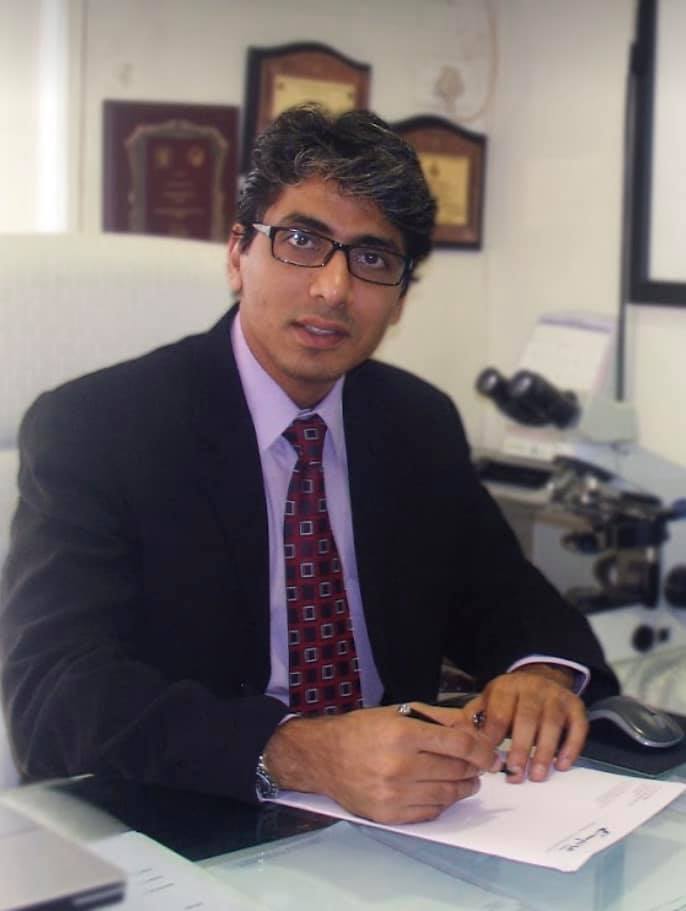
At Mumbai Cancer, patients receive a structured evaluation for liver tumors and liver cancer. Dr. Deepak Chhabra focuses on explaining the diagnosis, assessing whether surgery is appropriate, coordinating multidisciplinary input, and helping families understand realistic treatment goals. The approach is practical and patient-centred, which is valuable when families are facing complex decisions.
If you are searching for the best liver cancer doctor in Mumbai, look for clarity, experience, honesty, and team-based care. The right doctor should help you understand not just what treatment is possible, but what treatment is right for you.
If you or a family member has a liver mass, abnormal liver scan, raised AFP, cirrhosis with a new lesion, jaundice, unexplained weight loss, or has been advised liver cancer surgery, it is sensible to take an early specialist opinion. At Mumbai Cancer, Dr. Deepak Chhabra and the team guide patients with careful evaluation, surgical oncology expertise, and coordinated care with medical oncology, hepatology, radiology, interventional radiology, anaesthesia, nutrition, and supportive care teams.
Every patient is different. The right plan depends on the type of liver cancer, the size and number of tumors, liver function, overall health, and whether the disease is limited to the liver or has spread. A timely consultation can help the family understand options clearly and avoid delay.
Either can be appropriate, but liver cancer often needs both opinions. A coordinated centre can guide which specialist should lead based on stage.
Yes. A second opinion can clarify surgery, ablation, systemic therapy, or transplant-related questions, especially before major treatment.
Carry CT or MRI films, blood tests, AFP, liver function tests, biopsy report if done, medicines list, and previous treatment details.
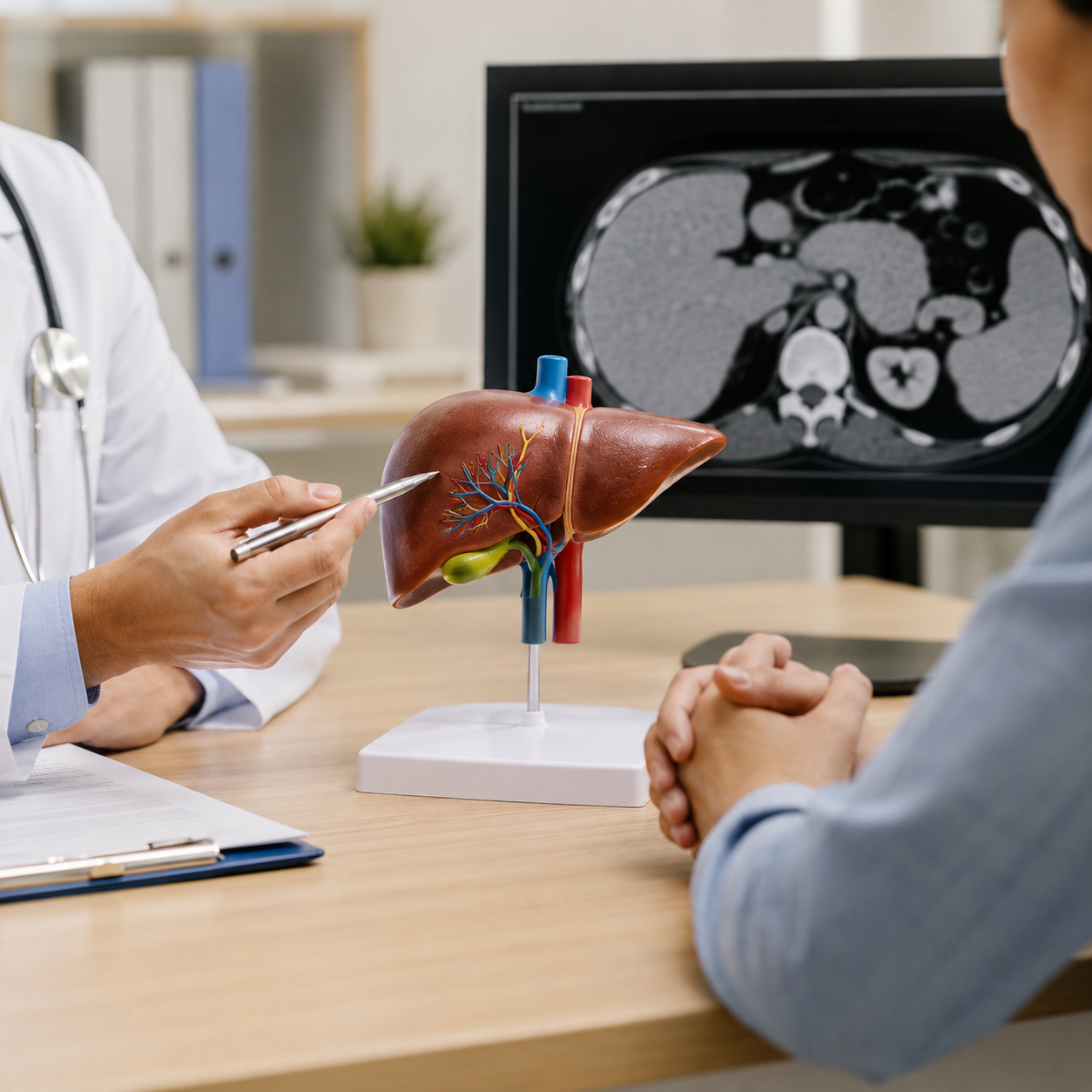
A good liver cancer consultation usually has a certain rhythm. The doctor listens to the patient’s story, checks risk factors, reviews scans personally or with a radiologist, explains the likely diagnosis, assesses liver function, and then discusses treatment options. The family should come away knowing what is confirmed, what is still uncertain, and what the next step is. If more tests are needed, the reason should be clear.
Patients should feel free to ask for the treatment intent in plain words. Is the aim cure? Is the aim to shrink the tumor? Is the aim to keep disease controlled? Is treatment being given to reduce symptoms? These questions are not negative. They help the family plan emotionally, financially, and practically. A good doctor will answer with honesty and sensitivity.
Many patients think they need a surgeon only if an operation is planned. In liver cancer, surgical judgment can be useful even when surgery is not the final option. A surgical oncologist can assess whether the tumor is removable, whether future liver volume is adequate, whether vascular involvement changes the plan, and whether another treatment should be tried first. This helps prevent both undertreatment and overtreatment.
Similarly, a liver cancer oncologist in Mumbai can explain systemic options such as targeted therapy and immunotherapy, especially in advanced disease. The best plan may come from both perspectives. Families should prefer a centre where specialists are willing to discuss the case together rather than working in isolation.
Choosing a doctor also includes practical comfort. Can the team help coordinate reports? Is follow-up accessible? Are emergency warning signs explained? Does the doctor discuss cost and hospital stay realistically? Is nutritional and supportive care available? Can the family get guidance if the patient develops fever, jaundice, swelling, or treatment side effects?
For patients travelling within Mumbai or from outside Maharashtra, logistics matter. Liver cancer treatment may require repeated visits, scans, blood tests, procedures, and follow-up. A clear written plan reduces confusion. Mumbai Cancer focuses on giving patients a structured roadmap so that the family knows what to do next and whom to contact.
Families need hope, but they also need accuracy. The best liver cancer doctor in Mumbai should not create fear, and should not give unrealistic guarantees. Modern treatment has improved, and many patients benefit from timely care. At the same time, liver cancer can be complex. Balanced counselling helps patients make decisions with dignity and confidence.
Be cautious if treatment is suggested without reviewing the original scan images, if the doctor cannot explain whether the cancer is primary or metastatic, or if the treatment goal is unclear. Also be cautious with guaranteed cure claims, non-medical alternatives offered instead of proven treatment, or advice to delay evaluation despite suspicious imaging. Liver cancer needs timely, evidence-based decisions.
A trustworthy doctor will welcome questions and will explain why surgery, ablation, embolization, targeted therapy, immunotherapy, or observation is being recommended. This clarity is often what families need most during a stressful period.
Medical note: This article is for patient education and should not replace a personal consultation. Treatment decisions for liver cancer should be made after reviewing reports, scans, liver function, and overall health.
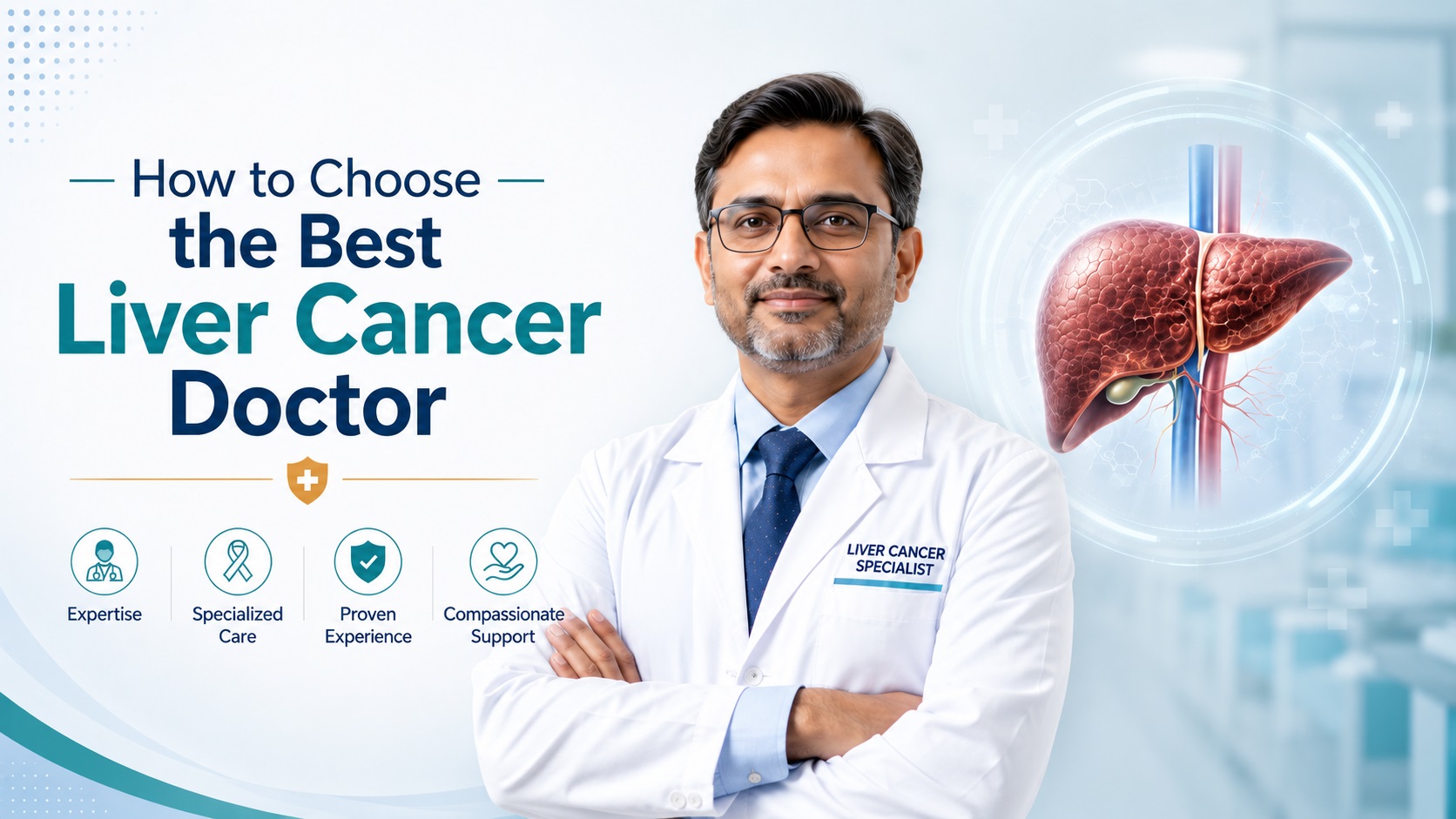
Stay up-to-date with the latest developments in cancer research, treatment, and patient stories through our curated collection of cancer blogs and news articles. From breakthrough discoveries to inspiring survivor journeys.
Discover first hand accounts from patients who have experienced compassionate care and expert treatment at our clinic. Read their reviews to get to know their journey.

5 Out of 5 from 92 Reviews


















 VIDEO CONSULTATION
 Phone Calls
 Physical visit