
Surgery is one of the most important treatment options for liver cancer when the disease is limited and the patient can safely tolerate an operation. The aim may be to remove the cancer completely with a margin of healthy tissue. In selected patients, this can offer long-term control and sometimes cure. However, liver cancer surgery is different from many other cancer operations because the liver itself may already be weak due to cirrhosis, hepatitis, alcohol-related damage, or fatty liver disease.
That is why a liver cancer surgeon in Mumbai does not decide surgery only by looking at the tumor. The surgeon studies the tumor, the future liver remnant, blood vessels, bile ducts, liver function, general fitness, diabetes, heart and lung status, nutritional condition, and previous treatments. Good surgery is not simply about removing the tumor; it is about removing it safely while leaving enough working liver behind.
Surgery is commonly considered when there is a single tumor or limited disease in one part of the liver, no major spread outside the liver, no uncontrolled liver failure, and enough healthy liver can remain after removal. The operation may be called liver resection, hepatectomy, segmentectomy, sectionectomy, or lobectomy depending on how much liver is removed. Sometimes surgery is also considered for selected bile duct cancers, gallbladder cancers involving the liver, or certain metastatic tumors, but those decisions are different from primary liver cancer.
For hepatocellular carcinoma, surgery is more suitable when liver function is preserved. If a patient has severe cirrhosis, large fluid collection in the abdomen, poor clotting, high bilirubin, or significant portal hypertension, surgery may become risky. In such cases, ablation, transplant evaluation, embolization, or systemic therapy may be safer. This is why a liver cancer surgery specialist in Mumbai must balance cancer control with liver safety.
Before liver cancer surgery in Mumbai, the team usually reviews contrast CT or MRI, liver function tests, kidney function, complete blood counts, viral markers, AFP, coagulation profile, and cardiac fitness. Some patients need liver volumetry, which estimates how much liver will remain after surgery. If the remaining liver is expected to be small, doctors may discuss strategies like portal vein embolization in selected cases to help the future liver grow before surgery.
The anaesthesia team also evaluates fitness because major liver surgery can be demanding. Nutrition assessment matters because low protein stores and weight loss may slow recovery. Diabetes and blood pressure should be controlled. If hepatitis B or C is present, antiviral treatment may be coordinated with a hepatologist. These steps may feel time-consuming, but they reduce risk and improve recovery.
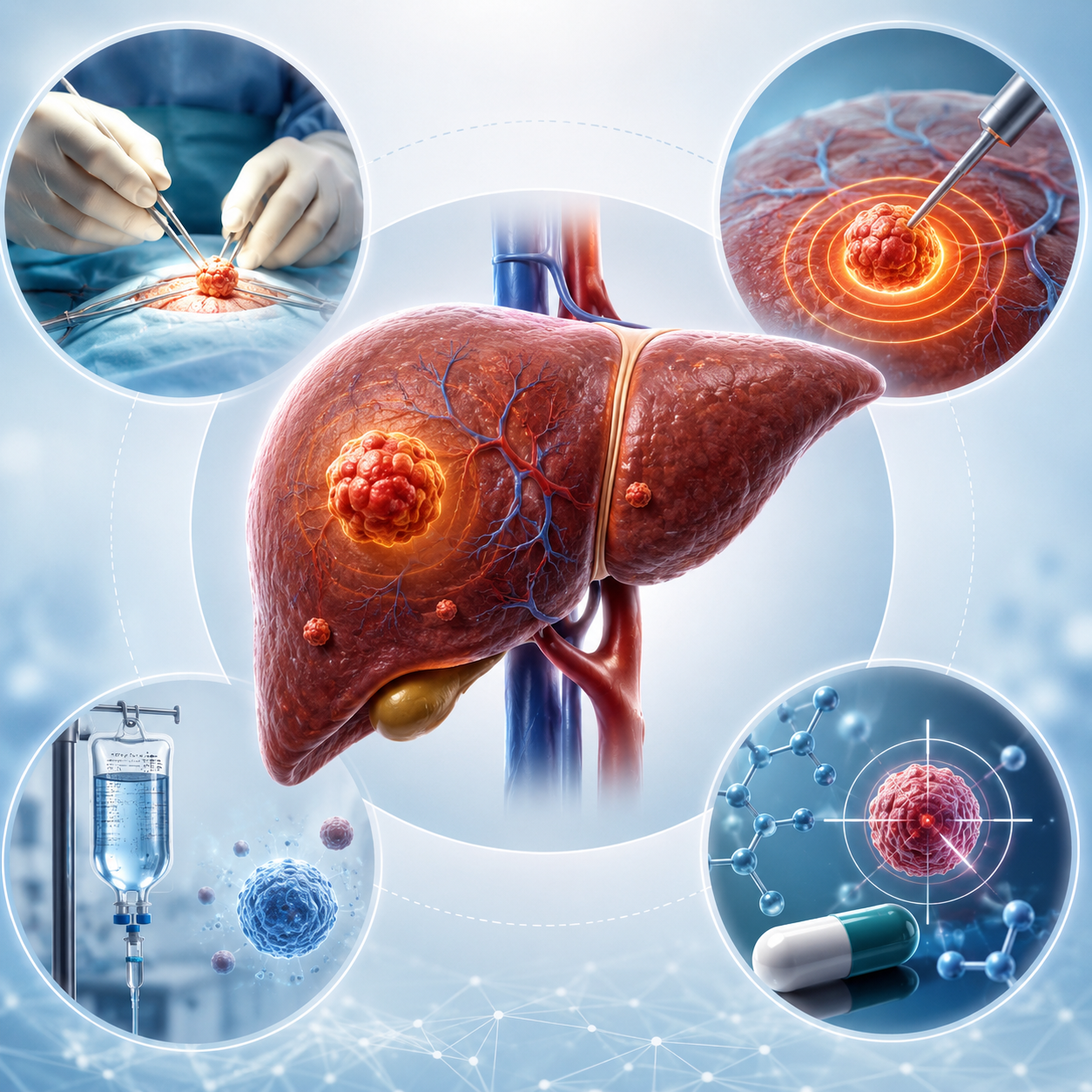
Surgery may not be the best first treatment if cancer has spread widely, the liver is too weak, multiple tumors are present in both lobes, major blood vessels are extensively involved, or the patient has serious medical conditions that make surgery unsafe. This does not mean there is no treatment. Many patients can still receive ablation, TACE, TARE, targeted therapy, immunotherapy, radiation in selected situations, or palliative care focused on comfort and quality of life.
Sometimes treatment is planned in stages. A patient may receive locoregional or systemic therapy first to reduce disease burden. If the cancer responds well and liver function remains stable, the team may reconsider surgery. This approach needs close monitoring and honest discussion with the family.
Families should ask whether the cancer appears removable, how much liver will be removed, what the expected remaining liver volume is, whether cirrhosis is present, what complications are possible, how long hospital stay may be, whether ICU care may be needed, and what further treatment may be required after surgery. They should also ask who will coordinate care if pathology shows high-risk features after the operation.
It is also useful to ask about recovery at home. Patients may need help with walking, diet, wound care, breathing exercises, follow-up blood tests, and scan planning. A calm explanation before surgery reduces fear and helps the family prepare practically.
Liver surgery requires careful planning because the liver has many blood vessels and bile ducts. Blood loss control, precise dissection, safe margins, and preservation of liver function are all important. A centre that regularly manages hepatobiliary cancers is better placed to coordinate imaging review, perioperative care, pathology, and follow-up.
At Mumbai Cancer, surgical decisions are made with attention to both cancer control and patient safety. Dr. Deepak Chhabra evaluates whether surgery is truly needed, whether it is safe, and whether another treatment should come before or instead of surgery. This balanced approach is especially important for families who are under pressure to decide quickly.
If you or a family member has a liver mass, abnormal liver scan, raised AFP, cirrhosis with a new lesion, jaundice, unexplained weight loss, or has been advised liver cancer surgery, it is sensible to take an early specialist opinion. At Mumbai Cancer, Dr. Deepak Chhabra and the team guide patients with careful evaluation, surgical oncology expertise, and coordinated care with medical oncology, hepatology, radiology, interventional radiology, anaesthesia, nutrition, and supportive care teams.
Every patient is different. The right plan depends on the type of liver cancer, the size and number of tumors, liver function, overall health, and whether the disease is limited to the liver or has spread. A timely consultation can help the family understand options clearly and avoid delay.
No. Surgery is useful for selected patients. Some need ablation, embolization, transplant evaluation, targeted therapy, immunotherapy, or supportive care instead.
Recovery varies with the size of surgery and patient fitness. Many patients need hospital care for several days and structured follow-up after discharge.
In selected early-stage patients with suitable liver function, surgery can offer a chance of cure or long-term control.
Preparation before liver surgery can make recovery smoother. Patients are usually advised to improve nutrition, control diabetes, stop alcohol completely, avoid smoking, and continue light walking if permitted. Protein intake may need improvement, but the diet should be guided by the treating doctor, especially if cirrhosis, kidney disease, or fluid in the abdomen is present. Do not start protein powders or supplements without advice, because some patients need a customised diet plan.
Medicines are also reviewed carefully. Blood thinners, some painkillers, herbal medicines, and certain supplements may need to be stopped before surgery. Hepatitis medicines should not be stopped unless the doctor says so. If jaundice, infection, low platelets, or poor clotting is present, the team may first stabilise the patient. This preparation is not a delay; it is part of making surgery safer.
Hospital stay depends on the extent of surgery and the patient’s liver condition. After major liver resection, some patients need ICU or high-dependency monitoring for a short period. The team watches blood pressure, urine output, drains, pain control, breathing, liver function, clotting, and early signs of bile leak or infection. Patients are encouraged to do breathing exercises and start movement as soon as it is safe.
Food is restarted gradually. Pain is controlled with medicines that are safe for the liver. The family receives discharge instructions about wound care, diet, walking, medicines, warning signs, and follow-up. Recovery continues at home for several weeks. Some patients feel tired for longer, which is expected after major surgery, but worsening fever, jaundice, increasing pain, vomiting, swelling, or wound discharge should be reported.
After surgery, the removed tumor is examined by a pathologist. The final report confirms tumor type, size, grade, margins, blood vessel invasion, and other risk features. This report helps decide whether the patient needs only follow-up or additional treatment. Families should not assume that the operation is the end of care. Liver cancer needs structured surveillance because recurrence can occur even after a technically successful operation.
At Mumbai Cancer, Dr. Deepak Chhabra discusses surgery only after reviewing whether it is needed, possible, and safe. The goal is to give patients the benefit of surgical treatment where appropriate while avoiding unnecessary risk where another option would be better.
Discharge after liver cancer surgery is not the end of recovery. The patient should walk a little every day, eat as advised, take medicines on time, and avoid lifting heavy weight until the surgeon permits. Families should watch for fever, increasing abdominal pain, wound redness, jaundice, vomiting, breathlessness, swelling, or unusual sleepiness. Follow-up blood tests and the first post-operative visit are important because they confirm whether the liver is recovering well.
Emotional recovery also matters. Patients may feel anxious while waiting for the final biopsy report. A clear discussion with the treating team helps the family understand whether further treatment is needed or whether surveillance is enough.
Medical note: This article is for patient education and should not replace a personal consultation. Treatment decisions for liver cancer should be made after reviewing reports, scans, liver function, and overall health.

Stay up-to-date with the latest developments in cancer research, treatment, and patient stories through our curated collection of cancer blogs and news articles. From breakthrough discoveries to inspiring survivor journeys.
Discover first hand accounts from patients who have experienced compassionate care and expert treatment at our clinic. Read their reviews to get to know their journey.

5 Out of 5 from 92 Reviews




















 VIDEO CONSULTATION
 Phone Calls
 Physical visit