
A patient may see a liver tumour clearly marked on a CT scan or MRI and wonder why doctors do not simply remove it. This is one of the most common doubts families face while discussing liver cancer treatment in Mumbai.
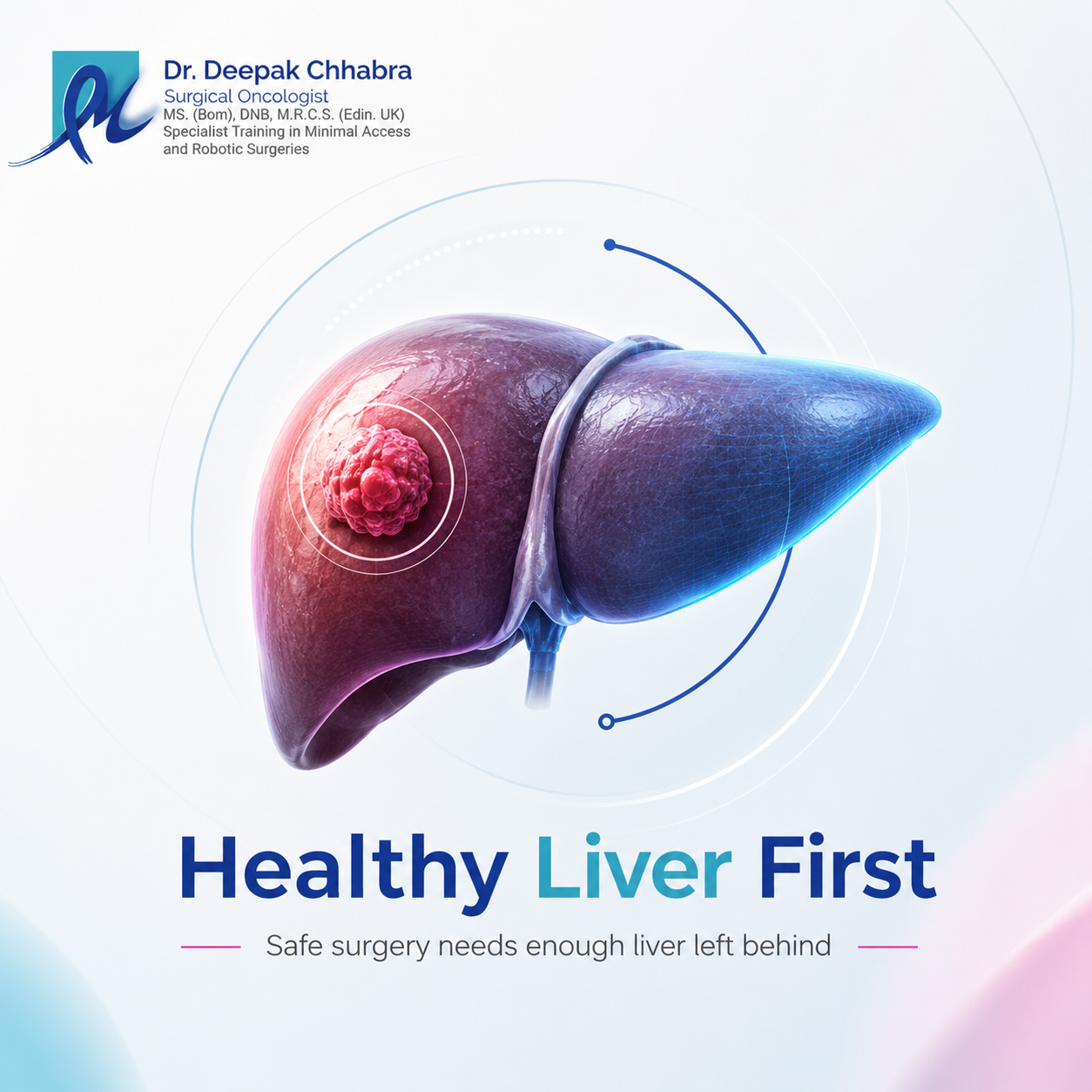
The answer is not always about whether the tumour can be cut out. Liver surgery is safe only when doctors believe the remaining liver can continue working after the tumour-bearing part is removed.
At Mumbai Cancer, this point is often explained in very simple terms: liver cancer surgery is not only about the tumour. It is also about the liver that stays inside the body.
Patients trying to understand tumour removal, liver function tests, cirrhosis risk, scan review, and surgical safety can read more about liver surgery planning around healthy liver reserve before discussing the next step with their treating team.
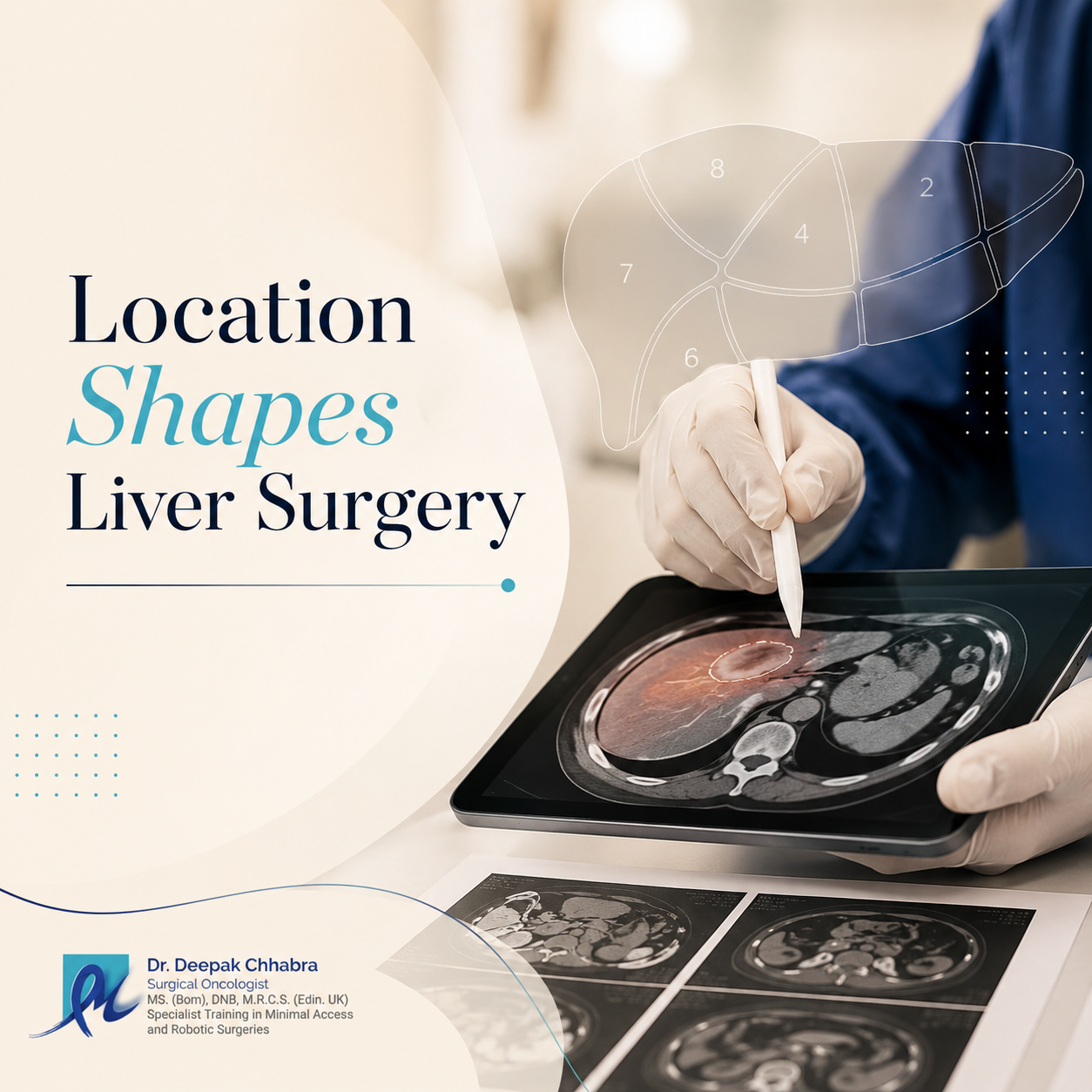
A scan helps doctors see the tumour, its size, its position, and its relationship with nearby blood vessels or bile ducts. But the scan is only one part of the decision.
Doctors also need to know whether the rest of the liver is healthy enough. The liver is not like a skin lump that can be removed without affecting body function. It filters toxins, helps blood clot, supports digestion, processes medicines, stores energy, and manages many daily chemical functions inside the body.
So, when doctors review a liver cancer case, they are not only asking, “Can this tumour be removed?” They are also asking whether the liver left behind will be strong enough to keep the patient safe after surgery.
That is why two patients with similar-looking tumours may receive different advice. One patient may be suitable for surgery. Another may be advised ablation, medicines, embolization, or reassessment because the remaining liver may not tolerate a major operation.
Doctors may use the term future liver remnant. It means the part of the liver that will remain after surgery.
This remaining liver has a big job. It must take over liver function after the cancer-affected portion is removed. The National Cancer Institute explains that partial hepatectomy removes the part of the liver where cancer is found, and the remaining liver tissue takes over liver functions and may regrow.
This sounds hopeful, and in many cases it is. But there is an important condition. The remaining liver must be healthy enough to recover.
A liver affected by cirrhosis, severe fatty liver, long-standing hepatitis, alcohol-related damage, poor nutrition, or jaundice may not recover in the same way as a healthy liver. This is why doctors measure and judge the liver left behind before confirming surgery.
It is natural for families to focus on tumour size. A small tumour feels less worrying. A large tumour feels more alarming.
But in liver surgery, size alone does not decide safety.
A small tumour close to a major blood vessel may be technically difficult. A tumour in a favourable location may be easier to remove even if it appears larger. A tumour inside a healthy liver may be handled differently from a tumour inside a scarred or cirrhotic liver.
This is why patients should not panic from one line in the report. They should also not assume that a small tumour automatically means easy surgery. The operation depends on tumour position, liver strength, blood vessels, bile ducts, liver volume, and overall fitness.
For families discussing liver cancer surgery in Mumbai, the more useful understanding is this: the safest plan is not always the fastest plan. It is the plan that removes or controls the disease while protecting enough functioning liver.
Before liver surgery, blood reports are not routine formalities. They help doctors understand whether the liver is already under stress.
Reports such as bilirubin, albumin, INR, liver enzymes, platelet count, kidney function, and tumour markers may all add useful information. The patient does not need to interpret every value alone. That is the doctor’s job. But the patient should understand why these tests matter.
Bilirubin may show whether bile flow is blocked or the liver is struggling. Albumin can reflect nutrition and liver reserve. INR gives information related to blood clotting, which matters because the liver helps produce clotting factors. Low platelet counts may sometimes suggest portal hypertension or cirrhosis.
A liver cancer doctor in Mumbai may review these blood tests together with CT or MRI images. This combined review helps decide whether surgery is suitable, whether more preparation is needed, or whether another treatment may be safer.
Many patients are surprised when doctors speak more about liver health than tumour removal.
This is not because the tumour is being ignored. It is because the liver’s condition can decide whether surgery is safe.
Cirrhosis is one of the biggest concerns because it means the liver has scarring. A scarred liver may not regenerate well after surgery. Severe fatty liver can also affect recovery. Hepatitis-related liver damage, fluid in the abdomen, malnutrition, weakness, or jaundice can also change the treatment decision.
Cancer Research UK explains that liver resection may be an option when the cancer is only in the liver and the rest of the liver is healthy enough; it also notes that the liver can recover and regrow after part of it is removed.
This is the balance doctors are trying to judge. The liver may grow after surgery, but it must be healthy enough to do that safely.
After reading a scan report, the patient’s next step should not be self-deciding whether surgery is possible. The better step is to arrange a specialist review with complete documents.
A useful liver surgery opinion needs recent CT or MRI images, previous scans for comparison, liver function tests, biopsy reports if available, hepatitis-related reports if relevant, details of chemotherapy or other treatment, discharge summaries, current medicines, and information about diabetes, heart disease, kidney problems, or general weakness.
This practical preparation helps the specialist give a clearer opinion. Without scan images, the doctor may not be able to assess the tumour’s exact position. Without blood reports, the doctor may not know whether the liver can tolerate surgery. Without previous records, it becomes harder to understand whether the disease is stable, improving, or progressing.
Patients comparing reports for liver tumour surgery in Mumbai should carry both scan images and blood reports because the decision depends on anatomy and liver function together.
Surgery may be considered when doctors feel the tumour can be removed with acceptable safety and enough healthy liver will remain afterward.
The disease should be technically removable. Liver function should be acceptable. The patient should be strong enough for anaesthesia and recovery. The tumour should not be positioned in a way that makes removal unsafe without leaving too little liver behind.
Sometimes, surgery can be planned directly. Sometimes, doctors may first advise treatment to shrink or control the tumour. In some cases, repeat imaging is needed before the final decision. This does not always mean delay. It may be part of safer planning.
A patient should see this as a decision-making pathway, not as a simple yes-or-no answer from one scan.
There are situations where removing the tumour is not the safest route.
If the remaining liver would be too small or too weak, surgery may be risky. If the tumour is close to important vessels or bile ducts, the operation may become complex. If there is disease outside the liver, the plan may need to change. If the patient is too weak, malnourished, jaundiced, infected, or medically unstable, doctors may avoid major surgery at that time.
This can be disappointing for families. They may feel that surgery is the only “strong” treatment. But in liver cancer care, the strongest treatment is not always the most aggressive one. The strongest treatment is the one that gives the best balance between cancer control and patient safety.
Ablation, embolization, targeted therapy, immunotherapy in selected cases, or reassessment after treatment may be discussed depending on the medical situation. These options should not be seen as failure. They may be safer and more appropriate in selected patients.
The liver has the ability to regenerate, which means the remaining liver may grow and take over function after part of it is removed. This is one reason liver surgery is possible in carefully selected patients.
But regeneration should not be misunderstood as a guarantee.
A healthy liver may recover better. A cirrhotic or severely fatty liver may struggle. A weak patient may take longer to recover. A person with jaundice, poor nutrition, infection, or other illnesses may need treatment and stabilization before any major surgical step is considered.
This is why doctors do not advise surgery only because the liver can regrow. They advise surgery when they believe the patient’s liver and body can handle the operation safely.
Dr. Deepak Chhabra is associated with surgical oncology and hepato-pancreato-biliary cancer care. His role becomes relevant when patients need to understand whether liver surgery is technically possible, whether the liver reserve is adequate, and whether surgery should happen now, later, or not at all.
At Mumbai Cancer, the discussion should not stop at “the tumour is present” or “the tumour is removable.” The more important discussion is whether removal can be done safely while preserving enough healthy liver.
For patients looking for a liver cancer specialist in Mumbai, this type of review can help reduce confusion. It can also help families understand why one treatment plan may involve surgery, while another may involve ablation, medicines, or reassessment.
Liver cancer cannot always be removed by surgery. Surgery is considered only when the tumour can be removed safely and enough healthy liver will remain after the operation. A specialist review of scans, liver function, tumour location, and patient fitness is needed before deciding.
Doctors check liver function because the remaining liver must keep working after surgery. Blood reports such as bilirubin, albumin, INR, liver enzymes, and platelet count can show whether the liver is under stress or has reduced reserve. These reports help doctors judge whether surgery is safe or whether another treatment may be better.
The liver may grow and take over function after part of it is removed. This depends on how healthy the remaining liver is, how much liver is left, and whether conditions such as cirrhosis, severe fatty liver, jaundice, or poor nutrition are present. Patients should discuss liver reserve and recovery expectations with their treating team.
A patient should ask for a clear explanation of what makes surgery risky, such as weak liver function, cirrhosis, tumour location, spread outside the liver, or poor general fitness. The next step may include further tests, medical optimization, ablation, embolization, systemic treatment, or reassessment after treatment. A second specialist review can help families understand the safest path forward.
Liver cancer surgery is not only about removing what is visible on the scan. It is about making sure the liver left behind can keep the patient safe.
This is why doctors study tumour position, liver function tests, future liver remnant, cirrhosis, fatty liver, nutrition, previous treatment, and overall fitness before advising surgery.
For patients, the practical next step is simple: do not judge the treatment plan from one scan report alone. Carry complete reports, get the scan images reviewed, understand the condition of the remaining liver, and discuss whether surgery, ablation, medicines, or reassessment is the safest option.
A consultation with Dr. Deepak Chhabra through Mumbai Cancer may help patients and families understand the next step in liver cancer treatment in Mumbai with more clarity and less fear.
Medical Disclaimer:
This article is for general educational purposes only and should not replace medical advice, diagnosis, or treatment. Liver cancer treatment decisions depend on tumour type, tumour location, stage, liver function, future liver remnant, cirrhosis or fatty liver status, previous treatment, scan findings, and overall fitness. Please consult a qualified surgical oncologist, hepatobiliary surgeon, medical oncologist, or treating cancer team for personalised medical guidance.
Stay up-to-date with the latest developments in cancer research, treatment, and patient stories through our curated collection of cancer blogs and news articles. From breakthrough discoveries to inspiring survivor journeys.
Discover first hand accounts from patients who have experienced compassionate care and expert treatment at our clinic. Read their reviews to get to know their journey.

5 Out of 5 from 92 Reviews




 VIDEO CONSULTATION
 Phone Calls
 Physical visit