
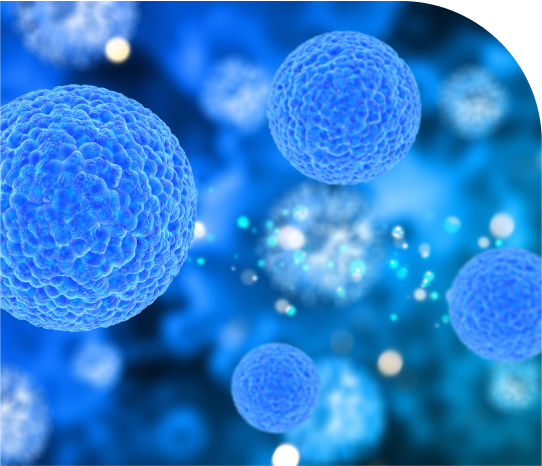
People get cancer when cells within their bodies divide without control or order. The body is made up of many types of cells, and it is normal for them to grow, divide and produce more cells when the body needs them. Cancer occurs when cells keep dividing, even when new cells are not needed. The mass of extra cells may produce a tumor that can be:
Understanding the different forms of cancer is essential for early detection, effective
management, and improved outcomes for patients.
Malignant tumors can invade, damage and destroy nearby tissues and spread to other parts of the body.
Benign tumors are rarely life-threatening, and they do not spread to other parts of the body. They often can be removed and usually do not grow back.
Your body is made up of billions of cells that can only be seen under a microscope. These cells are grouped together to make up the tissues and organs of our bodies. They are a bit like building blocks. Different types of body tissues are made up of different types of body cells. For example, there are bone cells in bone and breast cells in the breast.
Different types of cells in the body do different jobs. They all have a center called a nucleus. Inside the nucleus are the genes. Genes are really bits of code and control the cell. They decide when it will reproduce, what it does and even when it will die.
Normally the genes make sure that cells grow and reproduce in an orderly and controlled way. If the system goes wrong for any reason, the usual result is that the cell dies. Rarely, the system goes wrong in a way that allows a cell to keep on dividing until a lump called a ‘tumour’ is formed.
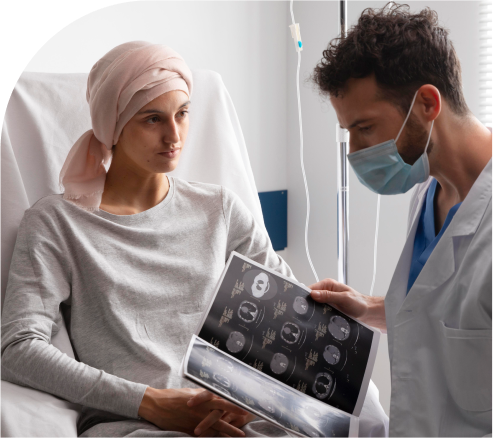
It is the ability to spread that makes a cancer harmful. If a cancer is not treated, it can spread into the organs near to where it started growing. It can also damage other parts of the body that it spreads to.
Discover first hand accounts from patients who have experienced compassionate care and expert treatment at our clinic. Read their reviews to get to know their journey.

5 Out of 5 from 92 Reviews
Clear your doubts regarding cancer risk and treatment options.
Cancer is a disease in which some cells in the body begin to grow and divide uncontrollably. Normally, cells grow, divide, and die in a regulated way, but cancer cells ignore these signals and continue multiplying, sometimes forming tumors.
Symptoms vary depending on the type of cancer but may include unexplained weight loss, persistent fatigue, unusual lumps, changes in skin or moles, and unexplained bleeding. Any symptom that lasts for several weeks should be evaluated by a doctor.
Yes, cancer can develop in almost any organ or tissue, including the lungs, breast, colon, liver, pancreas, and blood. It usually begins when genetic changes cause normal cells to grow abnormally.
Cancer can be caused by a combination of genetic and environmental factors. Common causes include tobacco use, unhealthy diet, obesity, alcohol consumption, radiation exposure, infections, and inherited genetic mutations.
No, most cancers are not inherited. While some cancers are linked to genetic mutations passed through families, the majority occur due to lifestyle factors, environmental exposure, or random genetic changes in cells.
Not all cancers can be prevented, but many risks can be reduced through healthy lifestyle choices. Avoiding tobacco, maintaining a healthy weight, exercising regularly, limiting alcohol, and getting recommended vaccinations can help lower cancer risk.Community initiatives like cancer awareness and screening programs encourage people to detect cancer earlier.
Early detection allows cancer to be treated before it spreads to other parts of the body. Screening tests and awareness of warning signs can significantly improve treatment success and survival rates.
You should consult an experienced oncologist if you notice persistent symptoms such as unexplained lumps, ongoing pain, abnormal bleeding, or sudden weight loss. Early medical evaluation helps identify problems sooner and improves treatment outcomes.




 VIDEO CONSULTATION
 Phone Calls
 Physical visit